
High-Performance Perimeter & Access Controls
Selected core hardware certified for high-frequency municipal access, commercial plazas, and mission-critical anti-ram perimeter defense across Manila, Cebu, and Davao.
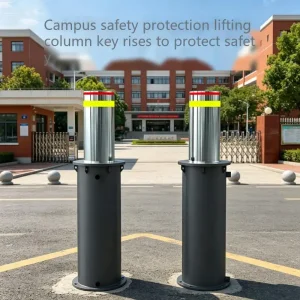
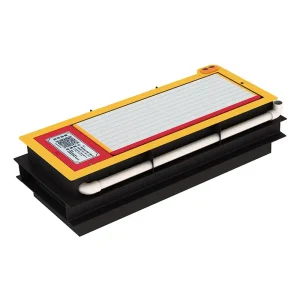
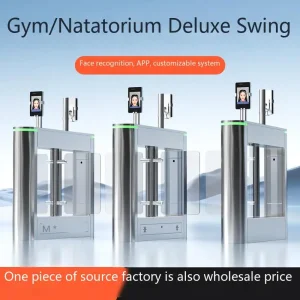
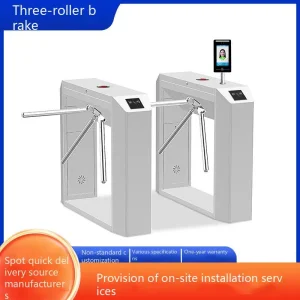
The State of Physical Security & Rising Bollards in the Philippines
A comprehensive examination of urbanization, Build Better More infrastructure expansion, and localized climatic demands driving high-security entrance engineering.
Urban Densification & BPO Corridors
Key economic engines such as Bonifacio Global City (BGC), Ortigas Center, and Cebu IT Park operate 24/7. High pedestrian densities juxtaposed with delivery and executive transport necessitate retractable bollards that seamlessly partition pedestrian boulevards from mixed-use thoroughfares while preserving rapid emergency egress.
Severe Tropical Monsoon Engineering
The Philippines experiences an average of 20 typhoons annually, accompanied by extensive urban waterlogging. Standard electrical bollards frequently suffer ingress failure. Our pneumatic and hydraulic rising bollards are engineered with IP68 hermetic submersion encapsulation and intelligent submersible sumps to eliminate water damage.
HVM Anti-Ram Threat Mitigation
Heightened security requirements across embassies, central banking facilities, government administrative compounds in Quezon City, and liquefied natural gas (LNG) power terminals mandate PAS 68 and IWA 14-1 crash-tested bollards capable of neutralizing multi-ton hostile vehicular impacts at excessive velocities.
Engineering High-Security Perimeter Architectures for Tropical Archipelagos
In modern urban planning and industrial asset preservation, the parameter perimeter acts as the premier baseline defense. For corporate campuses, international airports (such as NAIA, Clark, and Mactan-Cebu), high-security bonded warehouses, and government facilities in the Philippines, selecting a rising bollard manufacturer necessitates an exhaustive assessment beyond basic mechanical functionality.
1. Critical Failure Points in Tropical Installations and Mitigating Countermeasures
A persistent operational dilemma faced by mechanical engineers and general contractors throughout the Philippine archipelago is the rapid degradation of sub-surface access control machinery. This issue is predominantly caused by two environmental hazards: extreme galvanic corrosion induced by salt-laden coastal marine air, and localized hydraulic back-pressure during monsoon downpours.
Standard architectural bollards composed of low-grade carbon steel or untreated 201/304 stainless steel develop structural pitting and structural oxidation within 12 to 18 months when deployed in coastal cities such as Manila, Batangas, or Cagayan de Oro. To resolve this, our exported rising bollards feature:
- AISI 316L Austenitic Stainless Steel Sleeves: Providing optimal molybdenum content to resist chloride ion penetration and high-humidity chemical attack.
- Epoxy-Ceramic Hybrid Internal Coatings: Protecting all internal cylinder components from sub-grade galvanic oxidation.
- Decentralized Pneumatic/Hydraulic Drive Systems: Allowing hydraulic drive packs to be mounted above ground up to 30 meters away in weatherproof enclosures, isolating sensitive electrical motors from flooded underground pits.
2. Global Enterprise Procurement Trends: From Standalone Hardware to Integrated Edge Ecosystems
Multinational companies operating manufacturing facilities in the Laguna Technopark, Cavite Export Zone, and Subic Bay Gateway are transitioning away from unmonitored standalone bollards. Today's chief security officers (CSOs) mandate automated vehicle interception ecosystems that seamlessly integrate with:
- Automated License Plate Recognition (ALPR/ANPR): Ultra-high-speed algorithmic optical character recognition cameras trained specifically on Philippine LTO (Land Transportation Office) plate font layouts and high-reflection plates.
- Fiber-Optic Distributed Loop Detectors: Intelligent inductive sensors that discern between chassis profiles (e.g., motorcycles, light utility vehicles, and heavy container haulers) to avert premature deployment under authorized traffic.
- SCADA & Building Management Protocol Integrations: BACnet, Modbus TCP/IP, and dry-contact relays enabling unified emergency lockdowns triggered directly from centralized command rooms during security breaches.
3. Crash Dynamics: Understanding K4, K8, and K12 Impact Absorptions
Hostile Vehicle Mitigation (HVM) does not rely solely on the thickness of the rising steel bollard. The performance is governed by the complete subterranean structural foundation, anchor cage tensile strength, and kinematic shear absorption.
When an unpermitted 7,500-kilogram vehicle impacts a bollard array at 80 km/h (M50 / K12 rating), the system must dissipate approximately 1.8 megajoules of kinetic energy instantly. Our crash-tested rising bollards transmit this violent horizontal force into high-density rebar concrete subterranean foundations engineered to prevent soil shear failure, ensuring that even if the top cylinder sustains deformation, vehicular penetration beyond the perimeter zero-line remains under 1 meter.
Localized Support & Compliance Across the Philippines
Bridging global manufacturing precision with on-the-ground technical compliance, installation expertise, and lifecycle spare part availability.
Philippine Electrical Code (PEC) Verified
All motor controllers, hydraulic power packs (HPU), and inductive vehicle loop detectors are pre-configured to comply with national single-phase 220V 60Hz and three-phase 380V/440V 60Hz electrical standards, preventing transformer overheating and frequency degradation common with generic 50Hz hardware.
Door-to-Site Logistics (Manila, Batangas, Subic)
We streamline customs clearance, PEZA (Philippine Economic Zone Authority) tax exemptions, and containerized sea freight logistics directly to project sites throughout Luzon, Visayas, and Mindanao. Complete mechanical foundation installation templates, anchor steel cages, and rebar shop drawings are expedited prior to equipment arrival.
24/7 SLA Engineering Support
Certified local integration partners undergo direct training at our R&D factory labs. We maintain critical spare parts inventory—including hydraulic valves, PLC controllers, and optical safety loops—ensuring sub-24-hour restorative maintenance across key metropolitan hubs.
Technology Roadmap: Next-Generation Perimeter Intelligence
How rising bollard networks are evolving from static barriers to intelligent, AI-responsive perimeter defense nodes.
Predictive Hydraulic Diagnostics
Integrating pressure-sensing IoT transducers inside the bollard hydraulic circuits. The system continually monitors oil viscosity, cycle latency, and temperature fluctuations, delivering automated maintenance advisories to facility engineers before mechanical wear causes operational interruption.
AI Computer Vision Threat Tracking
Deploying edge AI vision processors capable of calculating vehicular approach velocity and trajectory. If a truck approaches an access control gate at an acceleration indicating deliberate collision, the system automatically activates Emergency Fast Operation (EFO) mode, elevating steel bollards in under 1.5 seconds regardless of credential verification status.
Zero-Trust Cloud Management
Secure microservices architecture allowing municipal port authorities and multitenant business districts to orchestrate multi-site bollards, boom barriers, and access gates through an encrypted, SOC2-compliant cloud portal, enabling rapid VIP corridor dispatch and geo-fenced authorized passage.
Integrated Entrance Control & Barrier Portfolio
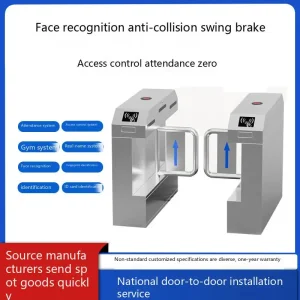
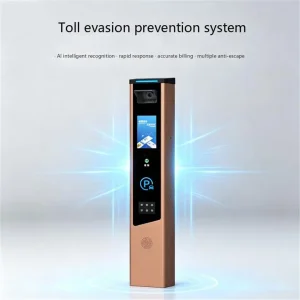
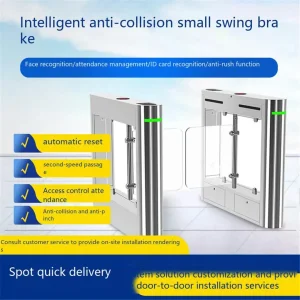
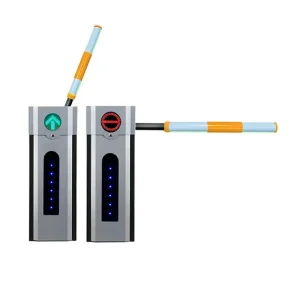
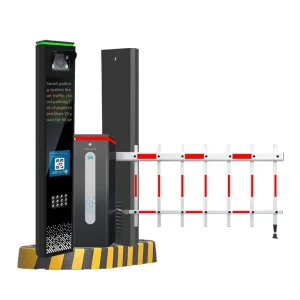
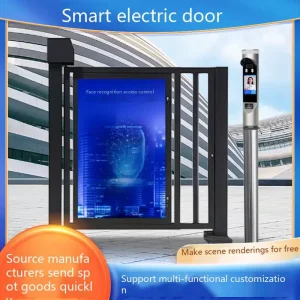
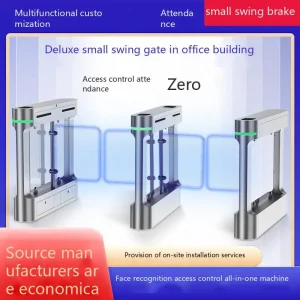
Explore our complete export series of smart perimeter systems, automated barriers, license plate recognition equipment, and pedestrian security turnstiles.
Frequently Asked Questions: Sourcing & Deploying Rising Bollards in the Philippines
Authoritative technical guidance compiled by certified physical access and perimeter defense systems engineers.
Why are hydraulic rising bollards preferred over electro-mechanical bollards in Philippine projects?
How does the drainage system function during intense typhoons and urban flooding?
What steel grade should be specified for coastal and port installations?
What are the lead times and shipping procedures for delivery to the Philippines?
Can your rising bollards integrate with third-party access control and parking software?
Equip Your Philippine Infrastructure With Certified Security
Partner directly with Shenzhen Anrui Intelligent Equipment. Contact our engineering team today for technical CAD drawings, crash-test certificates, foundation schematics, and factory-direct project quotes.