
High-Performance License Plate Recognition & Smart Barrier Units
Engineered with onboard deep learning inference engines calibrated specifically for New Zealand standard black-on-white plates, personalized silver-fern series, and commercial fleet formats.
-
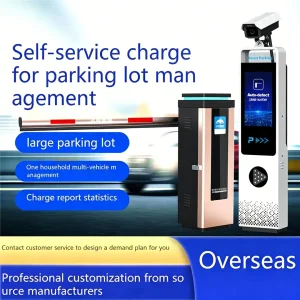 Durable High-def license plate recognition machine Dolphin I model - Auckland Commercial SeriesView Technical Parameters
-
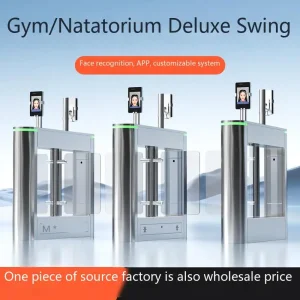 Durable Office Building Entrance Turnstile Swing Speed Gate - Wellington Corporate EditionView Technical Parameters
-
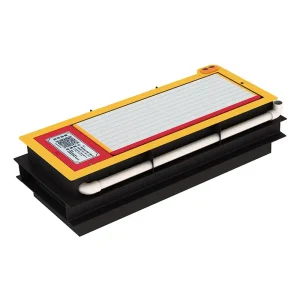 Heavy Duty City Smart Parking Management Node - Christchurch Commercial Hub SpecView Technical Parameters
-
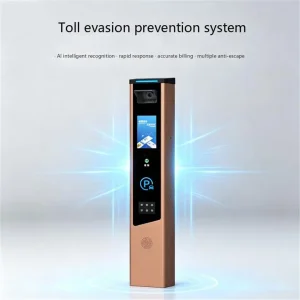 Durable High definition license plate recognition integrated - AnRuitong II All-in-One EngineView Technical Parameters
The Evolution of Vehicle Access & ANPR Infrastructure Across New Zealand
A strategic breakdown of market adoption across North and South Islands, detailing the transition from legacy magnetic RFID loops to neural vision LPR architectures.
Across New Zealand—from metropolitan logistics gateways in Auckland and Tauranga to commercial precincts in Christchurch, Wellington, and Queenstown—parking management and access control systems have undergone a profound technological transformation. Escalating labor costs, high urban land values, and the widespread demand for seamless user experiences have rendered mechanical token systems and inductive barrier triggers obsolete. Facility operators are aggressively adopting automated License Plate Recognition (LPR / ANPR) as the primary edge sensor for parking lot operations, municipal fee collection, access control, and commercial fleet routing.
However, deploying LPR infrastructure within the New Zealand market presents a distinct matrix of technical and operational criteria. Unlike uniform continental license plate frameworks, New Zealand plates feature dynamic character formats (e.g., standard ABC123, personalized text strings, vintage permutations, motorbikes, and heavy transport trailers). Furthermore, outdoor roadside hardware must withstand extreme maritime atmospheric corrosion (high salinity environments), intense UV levels, and sudden thermal fluctuations between maritime subtropical north and alpine south zones. System reliability hinges on ruggedized IP66/IP67 mechanical housings, robust optoelectronics, and edge computing models pre-trained specifically on localized font weights and retroreflective finishes.
Port & Freight Gateways
High-speed container verification and multi-lane commercial chassis logging at Auckland Port, Lyttelton Port, and inland rail logistics hubs requiring 99.8% capture precision at speeds up to 40 km/h.
Unattended Commercial Parking
Enabling ticketless shopping centres, council-operated off-street parking, and hospital precincts to integrate cashless mobile parking apps, automatic barrier lifters, and zero-touch exit validation.
Gated Industrial & Residential
Seamless whitelisting for business parks and luxury estates in Queenstown and Tauranga, interfacing directly with cloud databases, visitor intercom stations, and high-frequency DC brushless barriers.
Engineering Precision: Localization & Regulatory Alignment
Designed for turnkey integration with New Zealand security infrastructures, RCM/EMC regulatory benchmarks, and rigorous data protection frameworks.
Shenzhen Anrui Intelligent Equipment Co., Ltd. architects hardware not merely as isolated components, but as integrated node ecosystems. Deploying LPR equipment in New Zealand requires meeting rigorous physical and cyber regulatory expectations:
RCM & Electrical Safety
Full conformance to Australian/New Zealand electrical standards (AS/NZS 62368.1), Regulatory Compliance Mark (RCM) certification, and EMC emission compliance avoiding signal interference with nearby telecommunications.
Marine Grade 304/316 Steel
Chassis crafted from laser-cut electro-galvanized cold-rolled sheet steel and optional SUS316 marine stainless steel with multi-layer fluorocarbon electrostatic powder coating to prevent coastal salt-mist oxidization.
NZ Privacy Act 2020 Compliance
Our edge cameras feature real-time license plate anonymization, localized plate database hash encryption, and automated retention log purge routines complying strictly with New Zealand Office of the Privacy Commissioner guidelines.
Shenzhen Manufacturing Scale Meets Global Procurement Standards
How our vertically integrated 8,000 m² Shenzhen production base lowers project procurement costs while assuring rigorous engineering precision for Oceanic contractors.
Tier-1 Component Sourcing
Integrated Sony Starvis starlight CMOS sensors, high-throughput HiSilicon/Rockchip NPU architectures, and precision DC brushless servomotors guarantee long continuous service without overheating or optical drift.
End-to-End Vertical Control
From sheet metal CNC bending and laser welding to surface sandblasting, SMT circuit mounting, and climatic environmental chamber burn-in, all steps are controlled under ISO9001 and ISO14001 quality workflows.
Direct Oceanic Freight Corridors
Streamlined logistics routes from Shenzhen/Yantian direct to Auckland, Tauranga, and Lyttelton ports with full ocean container fumigation, moisture-barrier shrink packing, and reinforced plywood crating.
| Evaluation Parameter | Anrui Oceanic Specification (Standard) | Conventional Generic Importers | Local New Zealand Re-Branded Resellers |
|---|---|---|---|
| Optical Engine | 2MP / 4MP Sony Starvis WDR Sensor + Integrated Dual Fill-Light | Generic 1080P CMOS (Overexposes retroreflective plates) | Tier-1 Camera rebranded with 200%+ markup |
| Barrier Arm Duty Cycle | 5,000,000 Mean Cycles (Brushless DC Servo 24V) | 500,000 to 1,000,000 Cycles (AC Motor, prone to clutch wear) | Imported standard European/Asian mechanisms |
| Cabinet Surface Finish | Galvanized sheet + Double Electrostatic Fluorocarbon (Salt-proof) | Single coat basic spray paint (Rusts within 12 months) | Standard industrial coating |
| API & Cloud Connectivity | Open RESTful HTTP/JSON, MQTT, ONVIF Profile S/G/T, TCP/IP Raw | Proprietary closed protocol requiring locked-in dongles | Custom gateway software requiring recurring license fee |
| Supply Pricing | Direct Shenzhen Manufacturer Quotation | Inconsistent broker / trader markup | High local intermediary overhead margin |
Frequently Asked Questions: Sourcing ANPR Hardware for New Zealand
Clear, direct answers for electrical contractors, security integrators, civil engineering consultancies, and commercial facility managers.
How does the LPR camera handle New Zealand license plate variations?
What is the standard lead time and shipping transit duration to New Zealand?
Can your LPR hardware integrate with third-party New Zealand parking software?
How do you manage after-sales technical support and warranty across time zones?
Can the barrier gates withstand heavy coastal winds in coastal NZ cities?
What documents and electrical certifications do you supply for council consent?
Planning a Vehicle Access or Parking Project in New Zealand?
Get a detailed, project-specific technical proposal and competitive factory-direct quotation within 12 hours. Talk directly with our hardware engineering specialists.
Send Inquiry NowComplete Vehicle & Pedestrian Access Control Hardware Portfolio
Explore our factory direct production line engineered for industrial parks, smart cities, and unattended commercial parking installations.
-
Durable High-def license plate recognition machine Dolphin I model Supplier, ExportersView Technical Parameters
-
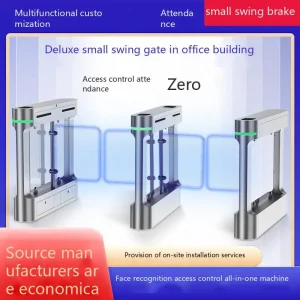 Durable Swing Gate Image Reference Manufacturer, Pricelist - High Reliability Access SystemView Technical Parameters
-
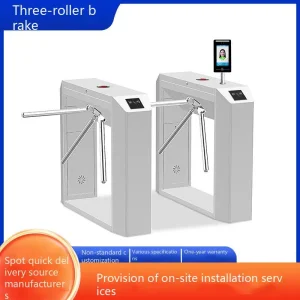 Factory OEM/ODM Durable Smart Fast Speed Swing Automatic Industrial Gym Turnstile GateView Technical Parameters
-
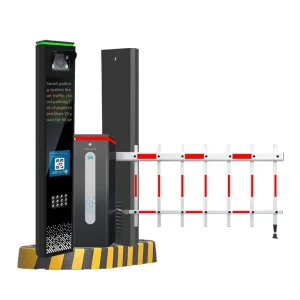 Discount Car Parking & Toll Access Control Articulated DC Parking Boom Barrier Gate with Long Range RFIDView Technical Parameters
-
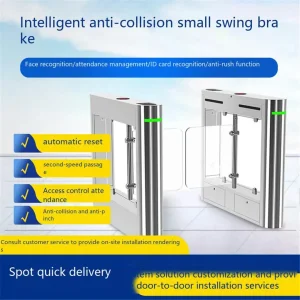 China Commercial Stainless Steel Pedestrian Swing Gate Supplier, Direct Factory QuotationView Technical Parameters
-
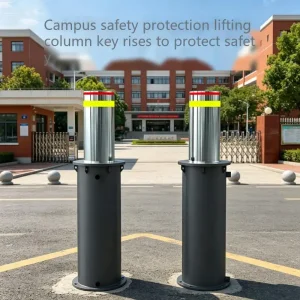 Heavy Duty Hydraulic Rising Bollard Instruction Manual, Manufacturer Direct QuotationView Technical Parameters
-
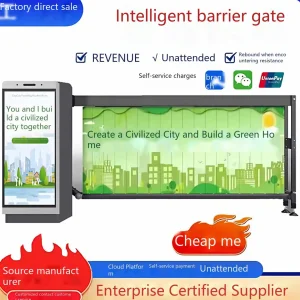 Durable Intelligent High-Speed Barrier Gate Model D03 Manufacturer, Industrial SuppliersView Technical Parameters
-
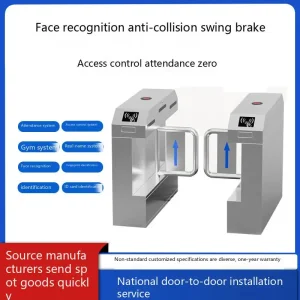 OEM Bridge Type Sloped Pedestrian Swing Barrier Gate Manufacturer, Project QuotationView Technical Parameters
How We Partner with New Zealand Integrators and Wholesalers
A streamlined, risk-mitigated delivery pathway from initial lane layout engineering to on-site commissioning.
1. Lane Design & FOV Calculation
Submit your civil site drawings. Our optics team evaluates capture distances, camera focal lengths, barrier swing angles, and vehicle illumination lines to formulate a zero-blind-spot site blueprint.
2. API Pre-Integration & Testing
Prior to dispatch, we provide access to our cloud sandboxes and emulator tools. Your software team can pre-test payload deliveries, trigger logic, and plate OCR events against your application stack.
3. Factory Testing & Direct Shipping
Every unit undergoes continuous 72-hour thermal and vibration burn-in cycles in our Shenzhen facility before sea or air dispatch directly to your warehouse or project staging yard anywhere in New Zealand.