
Connected Barrier Gates & Edge ANPR Core Modules
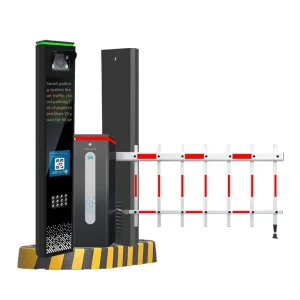
Pre-engineered, factory-tested turnkey systems providing seamless interoperability between machine-vision edge recognition cameras, digital variable message signs, and brushless DC boom barriers.

The Evolution of Edge Neural ANPR and Global Procurement Economics
The global intelligent transport systems (ITS) and smart parking infrastructure industry has undergone a fundamental transformation. Historically, automatic number plate recognition relied heavily on centralized server-side optical character recognition (OCR), where low-resolution analog or IP cameras streamed raw H.264 video frames over wide-area networks to local server racks. This legacy topology incurred severe bandwidth consumption, elevated latency spikes (often exceeding 800 to 1,500 milliseconds), single points of server failure, and substantial recurring licensing fees per lane.
In modern high-throughput architectures, Original Design Manufacturer (ODM) edge-processing ANPR systems have superseded server-bound paradigms. Modern industrial ANPR cameras integrate specialized Neural Processing Units (NPUs) capable of delivering between 2.0 and 6.0 TOPS (Tera-Operations Per Second) directly within the camera enclosure. Running embedded convolutional neural networks (CNNs) and transformer-based visual tokenizers, the camera executes vehicle detection, license plate localization, character segmentation, syntax checking, and vehicle classification (including make, model, color, and directional vector) in under 80 milliseconds. The resultant metadata payload—a lightweight JSON packet containing ASCII plate strings, confidence matrices, timestamped optical crops, and cryptographic hash tags—is pushed directly to cloud parking management systems or on-premise access controllers via MQTT, WebSockets, or ONVIF Profile M protocols.
Edge-NPU Deep Learning OCR
By moving deep neural inference from x86 centralized servers to low-power RISC-V or ARM-based NPU chipsets at the edge, lane hardware continues uninterrupted operation during network outages, maintaining local whitelist/blacklist execution with sub-second barrier actuation.
- Multi-frame confidence voting suppresses glare & dirt
- Embedded vehicle body classification (Sedan, SUV, Truck)
- Zero recurring third-party software licensing overheads
Dynamic Illumination & ISP
Overcoming acute angle distortion, headlight retro-reflection, and extreme weather requires specialized optical sensor pipelines with dual-shutter Global Starlight CMOS sensors, polarized anti-reflective glass, and synchronized pulsed infrared LED arrays.
- Wide Dynamic Range (True WDR > 120dB)
- Integrated starlight illumination up to 35 meters
- Motorized varifocal optical zoom (2.8–12mm / 6–22mm)
Hardware Interoperability
ODM manufacturing allows fine-grained customization of system interfaces, providing direct I/O optocoupled relay triggers, Wiegand 26/34/66 bit output to building management systems, RS485 telemetry, and direct TCP/IP webhooks.
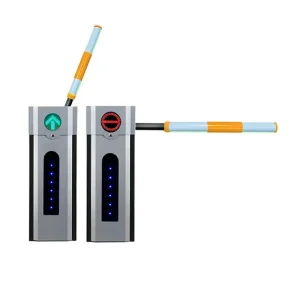
- Direct connection to DC brushless barrier gate motors
- Radar trigger & inductive ground loop sync
- Embedded Linux OS with open RESTful API & SDK
ODM Automatic Number Plate Recognition System Price Guide & Technical Matrix
A rigorous breakdown of production tiers, component bill of materials (BOM), optical sensor grades, and volume-discounted ex-factory pricing structures for systems integrators and municipal procurement officers.
| System Architecture Tier | Sensor & NPU Compute Spec | Supported Speeds & Capture | Standard Interfaces | MOQ Tiers | Estimated Factory Price (FOB) |
|---|---|---|---|---|---|
|
Entry-Level Commercial Tier Single Lane Stop-and-Go |
2.0MP (1920x1080) Starlight CMOS, 1.5 TOPS NPU, Fixed 4mm/6mm lens, White LED array. | 0 – 40 km/h Capture Range: 3.0 – 6.0m Accuracy: > 98.5% |
100M RJ45, RS485, Relay Out x1, Wiegand 26/34 | 10 – 49 units 50 – 199 units 200+ units |
$180 – $260 / unit (Camera unit with integrated housing) |
|
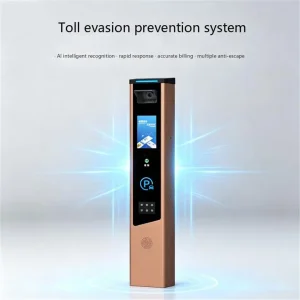
Enterprise Barrier-Free Tier Free-Flow Parking Integrated LCD Column |
3.0MP / 4.0MP High-Speed Global CMOS, 3.0 TOPS Embedded NPU, 2.8–12mm Motorized Zoom, Polarized Strobe. | 0 – 70 km/h Capture Range: 4.0 – 12.0m Accuracy: > 99.4% |
Gigabit LAN, Dual Relay, Wiegand 66, Audio Intercom, HDMI Out, Cloud MQTT | 5 – 19 sets 20 – 99 sets 100+ sets |
$450 – $750 / set (Includes LED Display, Column & Voice) |
|
High-Speed ITS / Highway Toll Tier Non-Stop Electronic Toll Multi-Lane Tracking |
8.0MP (4K) Ultra-Wide Global Shutter, 6.0 TOPS Dual-Core NPU, 6–22mm Telephoto Lens, External IR Pulse Flash. | 0 – 160 km/h Capture Range: 8.0 – 30.0m Accuracy: > 99.8% |
Dual Gigabit SFP/RJ45, Optocoupler I/O x4, RS485, CAN bus, Linux SDK, OSDP v2 | 1 – 9 units 10 – 49 units 50+ units |
$950 – $1,600 / unit (IP67 Outdoor Heated Chassis) |
|
Complete Turnkey Unattended Lane LPR + High-Speed Gate Dual Vehicle Detectors |
Enterprise 4.0MP LPR System + Heavy Duty Brushless DC Barrier Gate (0.9s – 3.0s variable speed), 3-meter boom. | Full Stop-and-Go or Free-Flow, 5 Million MCBF, Dual Loop + Millimeter Wave Radar | Full System Interconnect: IP Loopback, Cloud QR Payment Terminal, Voice intercom | 2 – 9 lanes 10 – 29 lanes 30+ lanes |
$1,100 – $1,850 / complete lane (Full turnkey lane hardware package) |
Critical Variables Dictating ODM Factory Pricing
Procurement teams analyzing bill-of-materials costs must evaluate multiple engineering parameters that dictate final ex-factory quotes:
1. Shutter Architecture (Rolling vs. Global Shutter): Standard budget cameras utilize electronic rolling shutters. While cost-efficient, rolling shutters induce severe skew distortions at vehicle speeds exceeding 30 km/h. High-speed toll and municipal enforcement systems mandate Global Shutter sensors, where every pixel cell is exposed simultaneously. Global Shutter CMOS sensors represent a 40% to 65% cost premium over rolling shutter counterparts but ensure zero pixel smear.
2. Optical Engine and Dynamic Range: The optical performance of an ANPR system depends directly on high-transmission lenses with anti-reflective infrared coatings. Low-cost systems utilize plastic f/2.0 lenses prone to focal drift when ambient temperatures exceed 50°C. Industrial-grade ODM systems employ all-glass f/1.4 multi-megapixel motorized lenses coupled with True WDR sensor backplanes (>120 dB) to neutralize direct high-beam headlight glare during nocturnal operations.
3. Non-Recurring Engineering (NRE) & Regional Neural Model Training: Custom ODM contracts frequently require customized neural weights tailored to regional plates (e.g., European standardized rectangular plates, North American pictorial background plates, Latin American Mercosur layouts, or dual-row motorcycle plates). While baseline pricing includes global standard models, dedicated bespoke dataset collection and supervised CNN re-training entail initial NRE costs ranging between $2,000 and $8,000, depending on the training corpus size (typically 50,000 to 200,000 annotated image samples).
Macro Industry Solutions & Application Frameworks
Engineered hardware integrations solving real-world access control, automated revenue recovery, and vehicle telematics across diverse operational environments.
Unattended Smart Parking
Eliminates physical paper ticketing, lost ticket overhead, and toll booth attendants. Vehicles enter through automatic barrier arm actuation triggered by edge-LPR identification, with seamless exit processing via automated mobile app, QR code, or integrated tap-to-pay kiosk.
- Reduces lane transaction time to < 2.5 seconds
- Integrates directly with dynamic space occupancy sensors
- Supports cross-border parking payments in 100+ countries
Logistics Yards & Freight Ports
Combines front-mounted license plate recognition with secondary rear-mounted trailer container code OCR (ISO 6346 standard). Accelerates intermodal freight processing, automated weighbridge integration, and security yard gate validation.
- Simultaneous truck plate & container code capture
- Automated weighbridge gross-tare-net calculation
- Heavy-duty anti-corrosion marine-grade enclosures
High-Security Perimeter Defense
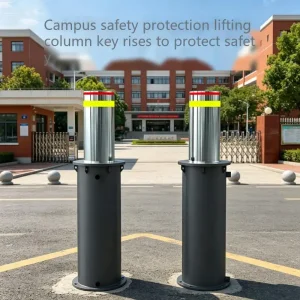
Direct architectural handshaking between high-definition ANPR cameras, crash-rated hydraulic rising bollards (ASTM F2656 / IWA 14-1), and tire spike barriers. Dual-factor authentication combines RFID long-range tags with automatic plate verification.
- Immediate deployment of hydraulic bollards on blacklist alarm
- Anti-tailgating vehicle tracking via 77GHz radar
- Optically isolated emergency fast-raise input (<1.0s)
Municipal Low-Emission & Congestion Zones
Wide-area urban enforcement utilizing solar-assisted 4G/5G edge ANPR stations. Verifies environmental vehicle classification, EURO emission tiers, and dynamic congestion pricing without requiring physical toll plazas or traffic deceleration.
- Multi-lane free-flow reading up to 3 lanes per unit
- Battery/solar autonomous edge station capability
- Direct encryption pipeline for law enforcement compliance
Localized Support, Privacy Mandates & Statutory Compliance
Deploying optical surveillance and vehicle identification systems in international jurisdictions requires strict compliance with statutory data privacy mandates and electrical safety standards.
As automatic number plate recognition systems capture personally identifiable information (PII)—specifically linking vehicle registration marks with geographical coordinates and timestamps—global deployments must adhere to rigorous privacy and cryptographic standards:
1. European Union GDPR (Regulation EU 2016/679) & Privacy by Design
Under GDPR Article 5 and Article 25 (Data Protection by Design and by Default), ANPR camera firmware must incorporate configurable automated data minimization protocols. Our ODM firmware includes integrated edge-level cryptographic hashing (SHA-256) of raw plate numbers, selectable edge-blurring of non-target areas (such as driver/passenger facial windshield masking), and configurable automatic local log purge cycles ranging from 1 hour to 30 days to meet municipal data retention limits.
2. Cyber-Physical Security & Encryption at Rest / Transit
Industrial edge nodes deployed outdoors are physically vulnerable to network tampering. To mitigate line-tapping threats, all ODM communication pipelines implement Transport Layer Security (TLS 1.3) with mutual client-server authentication (mTLS) for MQTT and HTTPS REST streaming. Hardware root-of-trust is anchored by an onboard secure cryptographic element (ATECC608B or TPM 2.0), guaranteeing that internal firmware cannot be extracted or compromised via physical JTAG or UART debugging ports.
3. International Hardware Certifications & Climatological Engineering
Hardware deployed in diverse geographical zones—from the extreme desert ambient conditions of Qatar (+55°C) to the sub-zero continental winters of Poland (-35°C)—must feature ruggedized engineering enclosures. All housings are certified to minimum IP67 ingress protection, IK10 mechanical impact resistance, and electromagnetic compatibility under CE (EN 55032 / EN 55035) and FCC Part 15 Class A regulations.
GDPR & CCPA Privacy Safeguards
Configurable dynamic masking zones allow automatic pixelation of pedestrian faces and passenger cabins directly within the raw ISP before frame encoding, ensuring 100% statutory privacy compliance.
Hardware Cryptographic Security
Encrypted eMMC flash storage (AES-256) ensures whitelist/blacklist databases and captured historical passage records remain inaccessible even if the physical camera unit is disassembled.
7x24 Engineering Support SLA
Direct tier-3 factory field-application engineers assist integrators with remote optical calibration, SDK bridging, customized communication protocol development, and on-site deployment commissioning.
Technology Roadmap: Next-Generation ANPR & Smart Mobility
Strategic hardware and algorithmic developments shaping the next five years of computer vision access control.
2025 – 2026: Multi-Modal Edge Vision Transformers
Transition from classic CNN backbones to lightweight Edge Vision Transformers (ViT). Enables simultaneous character recognition, vehicle sub-model classification, tire tread wear estimation, and hazardous material placard identification under complex environmental conditions.
2027 – 2028: Direct C-V2X Telematics Fusion
Direct optical-telematics integration merging physical camera reads with 5G Cellular Vehicle-to-Everything (C-V2X) beacons. Eliminates spoofing via cloned plates by cross-referencing onboard cryptographic vehicle identities with camera-verified optical coordinates.
2029 – 2030: Solar Harvesting Ultra-Low Power Silicons
Sub-watt neuromorphic spiking neural network (SNN) vision sensors operating autonomously on micro-solar panels and supercapacitors. Facilitates zero-cable roadside deployments for rural road networks and distributed municipal on-street parking bays.
Frequently Asked Questions: ODM ANPR Sourcing & Integration
Authoritative technical and financial answers designed for system architects, integrators, and international procurement committees.
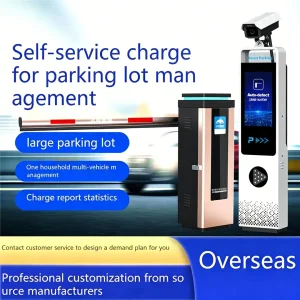
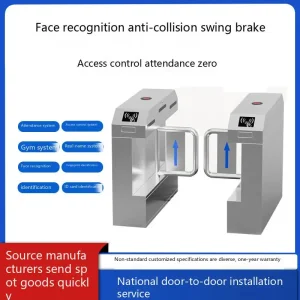
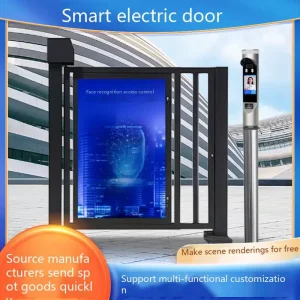
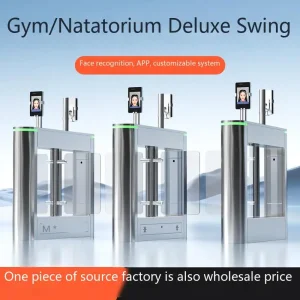
Integrated Physical Access, Turnstiles & Recognition Machines
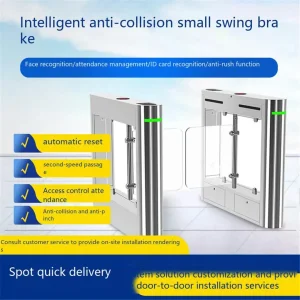
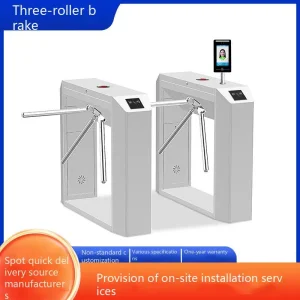
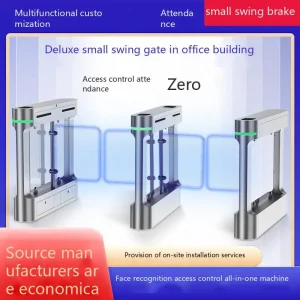
Explore our complete commercial vehicle access barriers, pedestrian security turnstiles, and high-performance ANPR machine enclosures built for commercial, municipal, and industrial facilities.
Request an ODM Customization Assessment & Tiered Pricelist
Submit your project lane specifications, regional license plate parameters, expected throughput velocities, and target software architecture. Our factory application engineering team provides complete hardware bill of materials, optical simulation schematics, and volume-discounted FOB quotes within 24 business hours.