
Core Vehicle & Pedestrian Access Modules (Tier-1 Catalog)
Explore high-throughput barrier gates, high-definition ANPR edge cameras, automated pedestrian speed gates, and smart barrier locks engineered for 24/7/365 mission-critical facilities.
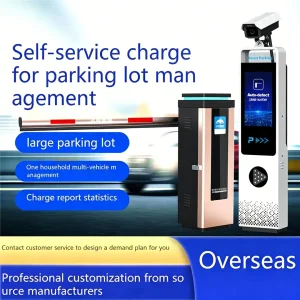
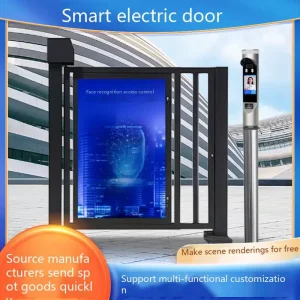
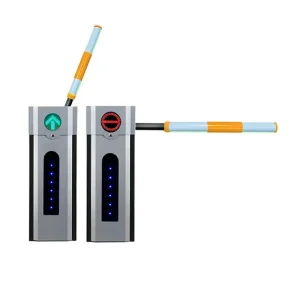
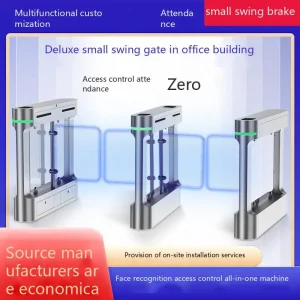
The Macro Evolution of Modern Car Park Control Systems
From ticket dispensers and electro-mechanical arm fatigue to unified edge neural vision and fully unattended ticketless architectures.
The municipal and commercial parking sector is undergoing an unprecedented technical inflection point. Historically, legacy parking operations relied on physical ticket dispensers, thermal paper tokens, magnetic stripe cards, and manually supervised payment booths. These analog legacy infrastructures represented severe operational liabilities: massive mechanical wear on moving parts, routine paper jam jams during peak rush hours, frequent revenue leakage caused by manual cash mishandling, and unacceptable bottlenecks that degraded the user journey.
Today, the modern enterprise car park control system functions not as an isolated mechanical barrier, but as a deeply integrated cyber-physical computing node within the broader smart city ecosystem. Driven by neural network inference chips, multi-spectral License Plate Recognition (LPR / ANPR) engines, and IoT edge controllers, parking infrastructure has transitioned into a contactless, ticketless, and cloud-governed utility. Modern installations routinely achieve gate opening latencies below 300 milliseconds, frictionless ingress/egress speeds, and continuous operational integrity under extreme climate stress.
Edge-AI Computer Vision
Onboard deep-learning algorithms within the camera enclosure process neural classification locally, delivering OCR plate reading, country code recognition, vehicle color, and chassis category without cloud ping dependency.
Brushless DC Servo Precision
Digital 24V/48V Brushless DC (BLDC) torque motors eliminate physical limit switches, reducing vibration harmonics, optimizing boom ramp acceleration curves, and ensuring uninterrupted duty over 10 million cycles.
Cloud Fleet Management
Unified REST APIs, MQTT messaging channels, and microservice cloud platforms permit multi-site central telemetry, dynamic rate scheduling, occupancy heat mapping, and remote software diagnostics across globally dispersed facilities.
Strategic Architecture Note: Modern procurement guidelines require strict failover isolation. In high-traffic deployments (airports, commercial shopping centres, tollways), each entrance lane must operate with autonomous local decision-making. If wide-area network (WAN) connectivity is severed, the edge controller and localized database whitelist validate authorized entries and log transactional events, synchronizing records upon connectivity restoration.
Global Enterprise Procurement Requirements & Evaluation Criteria
Key specification criteria employed by municipal planners, commercial real estate developers, and civil engineering integrators when evaluating parking hardware.
Enterprise procurement executives cannot evaluate parking control equipment purely on initial purchase cost. Systems deployed in harsh municipal, airport, or industrial environments require meticulous lifecycle analyses encompassing mechanical durability, ingress protection, software flexibility, and electrical safety standards.
1. Mechanical Endurance and Kinetic Barrier Dynamics
The barrier gate actuator remains the central mechanical component of any lane. Leading engineering specifications demand 100% continuous duty cycle ratings powered by brushless DC servo motors. The reduction gearbox must utilize hardened alloy helical gearing submerged in permanent synthetic lubrication to mitigate thermal expansion across ambient temperatures ranging from -35°C to +70°C. Programmable digital deceleration prevents the mechanical bounce commonly associated with low-tier AC induction motor gates, preventing stress fractures along the aluminum boom arm connection flange.
2. Machine Vision ANPR/LPR Ingress Accuracy Under Hostile Lighting
Optical recognition performance varies dramatically across real-world ambient conditions. Enterprise ANPR cameras must feature dual-shutter Sony Starvis sensors, integrated dynamic pulsed infrared (IR) or warm white LED arrays, and Wide Dynamic Range (WDR > 120dB). This hardware profile prevents optical overexposure caused by modern high-intensity LED headlights, wet pavement reflections, low-angle solar glare, or pitch-black nocturnal conditions. System recognition accuracy must exceed 99.5% across diverse license plate designs, including retro-reflective embossed plates, multi-line alphanumeric formats, Arabic script, and non-standard vehicle badges.
3. Multi-Sensor Anti-Smash and Pedestrian Safety Systems
Vehicle and pedestrian safety liability is paramount in modern access design. High-reliability systems must deploy triple-redundant collision avoidance: high-frequency digital ground induction loops, millimetre-wave (79GHz) radar presence detectors, and pressure-sensitive pneumatic rubber edge sensors. When a descending barrier arm detects an obstruction, it must reverse direction within 0.1 seconds, preventing vehicle chassis damage or pedestrian injury.
Enterprise Car Park System Comprehensive Pricelist & Cost Breakdown
Transparent architectural tier analysis to guide engineering estimates, budget drafting, and RFP cost modeling.
| Equipment Category | Technical Configuration | Target Deployment | Price Bracket (FOB Factory) | Maintenance Overhead |
|---|---|---|---|---|
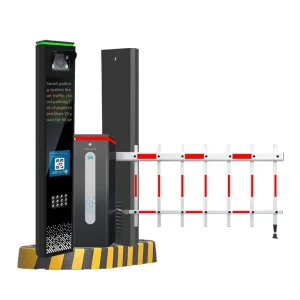
| Standard Servo Boom Barrier | Brushless DC Motor, 1.5s–3s arm speed, 3m–6m straight telescopic boom, IP54 cold-rolled steel cabinet. | Residential communities, small office complexes, industrial parks. | $280 – $580 / Unit | Minimal; annual mechanical lubrication and spring balance checks. |
| High-Speed Toll Barrier Gate | Torque servo, 0.6s–1.2s opening speed, articulated folding or carbon fibre boom, 100% duty cycle. | Highway tolls, commercial multi-story ramps, logistics transfer yards. | $650 – $1,250 / Unit | Bi-annual torque and balance inspection. |
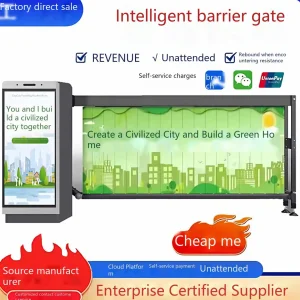
| Digital Louver Advertising Barrier | Dual-layer LED backlight panels, programmable turnover slats, high-torque motor, wind-resistant frame. | Shopping malls, luxury hotel forecourts, revenue-generating commercial plots. | $850 – $1,600 / Unit | Quarterly cleaning of optical ad surfaces and linkage pins. |
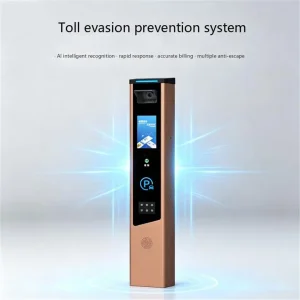
| Embedded AI LPR / ANPR Camera | 4MP Sony sensor, integrated neural chip, motorized 2.8–12mm lens, dual IR/White illumination array. | Ticketless automated lanes, unattended parking lots, high-security facilities. | $420 – $980 / Unit | Remote firmware patch updates; lens wiped semi-annually. |
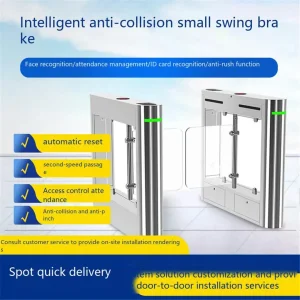
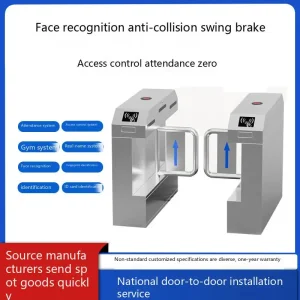
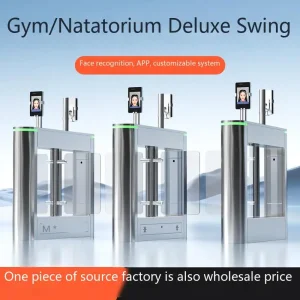
| Pedestrian Speed Swing Gate | SUS304/SUS316 brushed stainless steel casing, optical infrared safety curtain, brushless servo mechanism. | Corporate lobby checkpoints, gym access, intermodal terminal turnstiles. | $750 – $1,800 / Lane | Annual optical sensor calibration and alignment. |
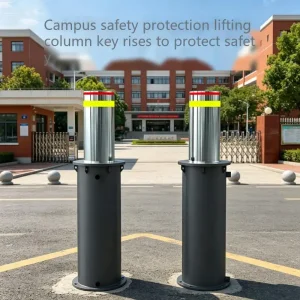
| Automatic Heavy Hydraulic Bollard | K4/K12 crash-rated certified, 304 stainless cylinder, integrated hydraulic pump unit, LED flashing ring. | Government embassies, pedestrian promenades, anti-ram perimeter barriers. | $1,100 – $2,400 / Unit | Hydraulic fluid replacement every 24–36 months. |
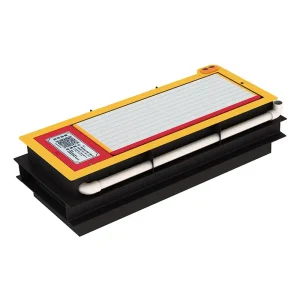
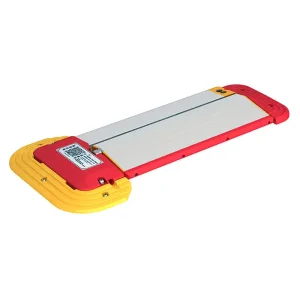
| Intelligent Parking Space Lock | Ultra-low power Bluetooth/NB-IoT, solar recharging board, anti-collision self-resetting lever (5-ton load capacity). | Dedicated VIP bays, EV charging space protection, roadside shared parking. | $85 – $190 / Unit | Battery inspection every 3–5 years depending on cycle density. |
Note on Total Cost of Ownership (TCO): Initial equipment expenditure represents approximately 35% of total 5-year operational lifecycle expenditure. Low-cost systems utilizing carbon-brush motors or low-grade sheet metal cabinets often generate high maintenance expenditures, premature corrosion, and frequent downtime. By investing in heavy-duty brushless motors, electrophoretic automotive-grade paint coating, and edge AI identification, operators achieve operational breakeven within 14 to 18 months through eliminated gatekeeper labor overhead and zero consumables purchasing.
Localized Support, International Compliance & Field Engineering
Ensuring operational compliance across varied international jurisdictions, power grids, and data protection frameworks.
Statutory Safety & Electrical Certifications
Every barrier gate, speed lane, and rising bollard strictly complies with CE (EN 12453 / EN 12445 safety regulations for power-operated gates), FCC Part 15 Class A for low electromagnetic interference, and RoHS directive standards.
GDPR & Data Privacy Compliance
LPR camera streams incorporate automated cryptographic masking capabilities for human faces and non-license plate imagery, ensuring strict adherence to EU GDPR, California CCPA, and global biometric and surveillance protection frameworks.
Omni-Channel Cashless Payment Support
Direct compatibility with international payment rails: PCI-PTS certified unattended EMV credit card terminals (Visa, Mastercard, AMEX), Apple Pay/Google Pay NFC tap, as well as localized QR-code dynamic payment engines across 100+ countries.
Field engineering assistance remains a cornerstone of successful overseas implementation. Our technical department offers comprehensive engineering packages containing localized schematic wiring diagrams, loop detector cutting geometry specifications, civil foundation mounting templates, and REST API development kits. Dedicated technical teams provide around-the-clock remote commissioning and live video diagnostic guidance to local installation contractors across Europe, the Middle East, Southeast Asia, and the Americas.
Technical Roadmap & Future Outlook (2026–2030)
Architectural milestones shaping the next evolution of intelligent parking, connected vehicle infrastructure, and municipal mobility.
Cellular V2X (Vehicle-to-Everything)
Direct low-latency vehicle-to-infrastructure DSRC/C-V2X handshakes that validate vehicle credentials and billing directly from in-dash software systems, bypassing visual plate detection entirely.
Autonomous Valet Parking (AVP)
Ultra-wideband (UWB) indoor positioning beacons and high-density ultrasonic mesh networks guiding SAE Level 4 driverless vehicles straight into designated, automated charging stalls.
Dynamic Algorithmic Congestion Yield
Real-time machine learning pricing engines that dynamically calibrate parking tariffs according to localized roadway congestion, weather conditions, and instant facility occupancy.
Distributed Ledger Energy Clearing
Decentralized microgrid billing connecting bi-directional EV chargers (V2G) directly with car park management software for automatic power resale credit balance offsets against parking fees.
Enterprise Perimeter & Lane Control Hardware (Tier-2 Catalog)
Specialized hydraulic security bollards, slope pedestrian swing turnstiles, and unattended vehicle management apparatus.
Frequently Asked Questions: Technical, Pricing & Deployment
In-depth responses to core engineering, integration, and procurement inquiries from systems integrators and facility operators.
What specific factors drive the pricing divergence between basic and enterprise-grade barrier gates?
Barrier gate pricing is fundamentally governed by four engineering dimensions: the motor and drive mechanism, chassis metallurgy, controller edge computing capabilities, and safety sensor redundancy.
- Motor Architecture: Entry-level units use alternating current (AC) motors paired with physical limit switches and mechanical gearboxes, operating at an MTBF of 1.5 to 2.5 million cycles. Enterprise units employ Brushless DC (BLDC) or permanent-magnet torque servo motors rated for 5 to 10 million cycles, providing microsecond software deceleration and zero physical limit switch fatigue.
- Cabinet Materials: Low-cost enclosures use 1.2mm cold-rolled steel with standard liquid paint (susceptible to rusting within 24 months in coastal humidity). Industrial-grade barriers utilize 2.0mm thick galvanized steel or 304/316 stainless steel with an electrophoretic primer and multi-layer electrostatic powder baking finish, certified for over 1,000 hours of continuous salt-spray testing.
- Integration Electronics: High-end barriers incorporate native CAN-bus/RS485/TCP/IP communication boards, onboard diagnostic displays, and native sensor-loop inputs with auto-tuning functionality.
How does an edge-based ANPR camera maintain recognition reliability in zero-ambient-light conditions?
Modern machine vision ANPR cameras utilize active illumination combined with dual-exposure sensors. Rather than relying on simple ambient light, the camera is synchronized with an integrated array of 850nm high-intensity infrared (IR) or pulsed white LED illuminators.
When the optical sensor detects incoming motion or receives a trigger from a ground loop radar detector, the illumination array strobes in microseconds. Simultaneously, the camera engages True Wide Dynamic Range (WDR > 120 dB) with high shutter speeds (up to 1/10,000s). This suppresses direct glare from high-beam xenon or LED vehicle headlamps while illuminating retro-reflective characters on the license plate, achieving recognition rates above 99.5% even in zero-lux pitch darkness.
Can third-party property management or ERP systems integrate directly with Anrui hardware?
Yes. All edge controllers, LPR terminals, and speed gates are architected upon open interoperability standards. Systems provide comprehensive RESTful Web APIs, MQTT telemetry endpoints, WebSocket push events, and raw RS485/Wiegand protocol outputs.
A third-party enterprise platform (SAP, Oracle, Yardi, or custom municipal traffic portals) can ingest real-time lane status, push whitelist authorization databases, trigger barrier openings programmatically, and retrieve automated billing records with associated high-resolution snapshot images. Full API documentation and SDKs for C#, Java, Python, and Node.js are available.
How do anti-smash sensors prevent arm collisions with luxury vehicles or pedestrians?
Modern systems implement triple-redundancy safety monitoring to ensure zero barrier arm collisions:
- 79GHz FMCW Millimetre-Wave Radar: Emits high-frequency electromagnetic radar sweeps that map the lane area beneath the boom arm. It distinguishes between vehicles and pedestrians and holds the arm vertical until the zone is cleared.
- Digital Ground Loop Detector: Detects changes in ground inductance caused by the metal undercarriage of a passing vehicle, preventing arm descent until the rear bumper completely clears the loop perimeter.
- Mechanical Torque Rebound Sensor: In the unlikely event of physical contact, the brushless motor's current feedback monitor registers a resistance spike (<0.05Nm over baseline) within 30 milliseconds, immediately reversing the boom motion upward to prevent impact damage.
What occurs during wide-area network (WAN) or localized electrical power failures?
System resilience is guaranteed through multi-tiered hardware failover routines:
- Network Failure: The LPR camera and edge lane controller maintain a local SQL/SQLite database whitelist. Validated regular users, VIPs, and monthly permit holders pass without interruption. All transient entry timestamps are buffered locally on flash storage and synchronized automatically to the cloud platform when connectivity is restored.
- Power Failure: Barrier gates can be equipped with an integrated 24V DC battery backup module that automatically actuates the arm into a vertical emergency open state upon mains loss (in compliance with international fire safety codes). Alternatively, an integrated mechanical clutch release wheel allows an operator to raise the boom manually without opening the chassis.
What is the recommended civil foundation preparation for high-frequency barrier and bollard installations?
Reliable operation demands correct civil engineering execution. Barrier gates require a reinforced C25/C30 concrete foundation pad measuring at least 500mm x 500mm x 400mm depth, with embedded anchor bolts and pre-run PVC conduit (minimum 32mm diameter) for power and low-voltage signal cabling separated by at least 150mm to prevent electromagnetic coupling.
Automatic hydraulic bollards require deeper excavation (typically 1,200mm to 1,500mm), featuring a 300mm crushed gravel drainage soakaway base or an automated submersible sump pump to prevent water accumulation within the outer casing.