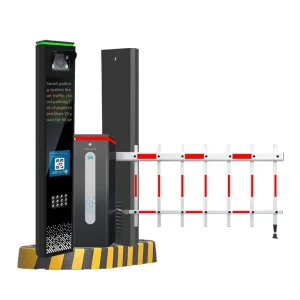
Integrated Access Control & Recognition Lineup
Field-proven access mechanisms engineered by Shenzhen Anrui Intelligent Equipment Co., Ltd. for turnkey edge computing integration and 24/7 autonomous duty cycles.
-
Newest Intelligent Barrier Gate Model D11S Factory, Factories
-
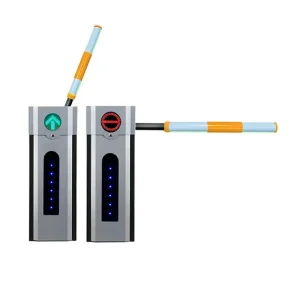
Durable Intelligent Barrier Gate Model D03 Manufacturer, Suppliers
-
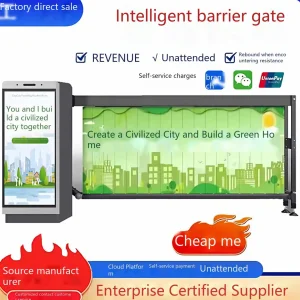
Durable High-def license plate recognition machine Dolphin I model Supplier, Exporters
-
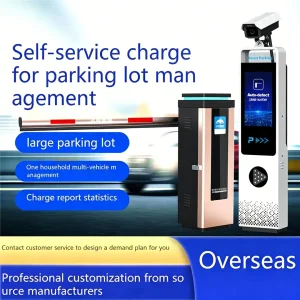
China Swing Gate Supplier, Quotation
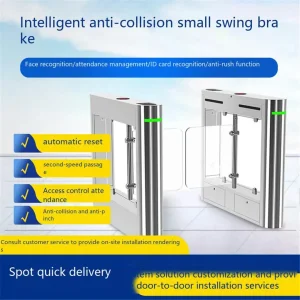
-
OEM Bridge Type Sloped Swing Gate Manufacturer, Quotation
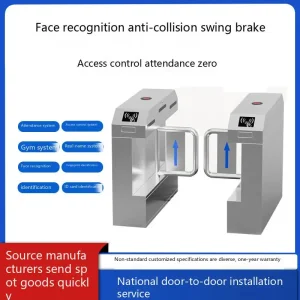
-
Durable Swing Gate Image Reference Manufacturer, Pricelist
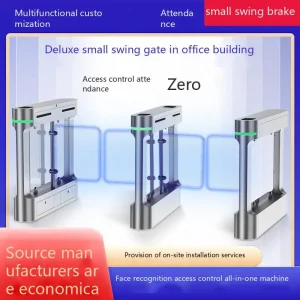
-
Cheap Factoryoem/ODM Durable Smart Fast Speed Swing Automatic Used Industrial Gym Turnstile Gate Manufacturer, Factory
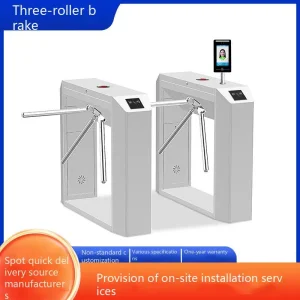
-
Advanced Scan to pay charging pilecommunity parking lock automatic sensing,electric shared scanning paymentanti-oil car occupying parking space Supplier, Factory
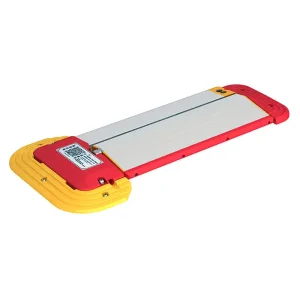
Solving Civil Trenching Bottlenecks via Solar ALPR
Analyzing the intersection of ultra-low power neural computing, photovoltaic capture systems, and cloud edge convergence across commercial infrastructure.
Civil Engineering Amortization
Traditional wired LPR deployments demand extensive trenching, conduit laying, asphalt remediation, and municipal electrical permits—often accumulating up to 60-70% of gross capital expenditures (CAPEX). Solar LPR decouples imaging and processing from hardwired mains, dropping average civil site preparation costs from $12,000 to under $1,200 per lane.
Edge NPU Power Efficiency
Modern System-on-Chip (SoC) architectures running INT8 quantised deep neural networks allow continuous optical character recognition (OCR) and vehicle metadata extraction (make, model, color) at sub-4-watt baseline draws. Embedded wake-up triggers, radar Doppler velocity detection, and intelligent PIR telemetry ensure deep power conservation during zero-traffic cycles.
High Availability LiFePO4 Resiliency
Equipped with smart integrated Battery Management Systems (BMS) and temperature-regulated Lithium Iron Phosphate (LiFePO4) storage, Solar LPR hardware delivers autonomous operational thresholds exceeding 96 hours without direct solar radiation, safeguarding industrial site security across severe weather anomalies and overcast winters.
Global Commercial & Industrial Trends
Operational data validated across smart logistics, sovereign border corridors, mining perimeters, and multi-tenant commercial operations in 80+ destination territories.
North American & European Adoption
In mature markets like North America and the EU, high labor costs for civil contractors have made wireline installations financially prohibitive for outer-perimeter enforcement. Municipalities and corporate complexes deploy solar LPR stations connected via Private LTE/5G and CBRS bands, ensuring compliance with strict public-right-of-way excavation bylaws.
Middle East (GCC) Extreme Environments
Projects executed in Qatar, Saudi Arabia, and the UAE utilize high-yield monocrystalline solar panels with IP67 heat-resistant enclosures. Specialized algorithmic optical exposure models mitigate intense desert sun glare, thermal mirages, and heavy dust accumulation, ensuring non-stop gate actuation for secure compounds.
Emerging Southeast Asian & LatAm Hubs
Installations across the Philippines, Indonesia, and Poland leverage cellular IoT protocols to modernize gated communities and logistics terminals where the local power grid suffers intermittent reliability. Integrated solar systems eliminate brownout vulnerabilities, ensuring frictionless automated tolling and audit logs.
Direct Factory Pricelist & Configuration Tiers (2026 Baseline)
Standardized ex-works Shenzhen commercial quotations for enterprise integrators, distributors, and municipal civil engineering projects.
| System Configuration | Solar Panel / Battery Specs | Recognition Engine | Connectivity Protocol | Factory MOQ Price (FOB) |
|---|---|---|---|---|
| Economy Edge LPR Gate | 60W Mono / 30Ah LiFePO4 | 2MP Starlight OCR / 15 FPS | 4G LTE / Wi-Fi Client | $780 - $1,150 |
| Enterprise Dual-Sensor Node | 100W Mono / 60Ah LiFePO4 | 4MP Dual-Lens / HDR / IR LED | Global 4G Cat-4 / LoRaWAN | $1,280 - $1,850 |
| Industrial Heavy-Duty Barrier Station | 160W Dual-Array / 100Ah LiFePO4 | 4MP AI NPU (Multi-Country OCR) | Private 5G / Fiber Fallback | $2,100 - $3,200 |
| Off-Grid Municipal Multi-Lane Cluster | 300W High-Efficiency / 200Ah Pack | 8MP 4K Neural Analytics Unit | Satellite / Redundant Cellular | $3,600 - $5,400 |
*Note: Exact project pricing depends on raw material indices, target localization country character packages, battery air/sea hazmat transport documentation, and custom boom barrier lengths.
Sovereign Compliance & Localization Support
Engineered to operate seamlessly across international legal frameworks, diverse plate typography, and strict data governance jurisdictions.
Global Plate Font Adaptability
Our convolutional neural models are trained on continuous regional datasets including Gulf Arabic typography, European Union multi-line standard retro-reflective plates, North American state syntaxes, and Asian multilingual characters, achieving robust recognition accuracy exceeding 99.4% regardless of font variances or baseline plate distortion.
GDPR & Data Privacy Architecture
Compliant with international privacy frameworks including European GDPR, CCPA, and regional cybersecurity mandates. Our edge hardware supports automated cryptographic image scrambling, dynamic license plate pseudonymization, and configurable local-retention ephemerality without mandatory upstream cloud exposure.
Industrial Electrical Certification
Complete product assemblies undergo comprehensive electrostatic discharge (ESD), surge protection, and ingress protection validation (IP66/IP67 rated). Battery enclosures incorporate UN38.3, CE, FCC, and RoHS certifications, expediting regional customs clearance for international system integrators.
Versatile High-Impact Deployment Scenarios
Eliminating operational bottlenecks across unpowered perimeters and heavy-duty industrial environments.
Unattended Gated Communities
Streamlined vehicle ingress without running dedicated power conduits over long driveway perimeters. Residents benefit from instant barrier actuation, while guest logs are pushed to management platforms via cellular telemetry.
Remote Logistics & Yards
High-volume distribution yards require reliable entrance control at peripheral gates. Solar LPR tracks container truck license numbers, timestamps tractor units, and verifies dock permissions automatically.
Agricultural & Mining Assets
Extraction sites and large-scale farming co-ops frequently lack grid interconnects. Standalone solar LPR pods prevent unauthorized vehicular incursions, logging mineral and haul transport operations 24/7.
Commercial Plazas & Malls
Paired with our ticketless payment terminals and advertising barrier gates, solar LPR turns auxiliary parking zones into monetization channels without tearing up active parking lots for cable trenches.
Technological Roadmap & Edge Vision Outlook
Continuous R&D pathways pursued by our Shenzhen engineering facility to advance next-generation parking hardware.
Gallium Nitride (GaN) Power Stages
Integrating high-frequency GaN DC-DC micro-converters to raise solar energy harvesting efficiency by 18% during low-lux dawn and dusk periods.
Neuromorphic Event Sensors
Transitioning to bio-inspired event-based optical sensors that process only pixel changes, reducing baseline camera energy consumption down to micro-watt scales.
Direct Satellite-to-Cellular LEO Link
Direct integration of low Earth orbit (LEO) satellite data channels on edge controllers for true off-grid operation in deserts, deep forests, and interstate perimeters.
Self-Calibrating Synthetic Models
Federated edge learning models allowing on-site solar cameras to autonomously calibrate exposure and focus curves for specialized plate reflection characteristics.
Frequently Asked Questions (Solar LPR Engineering)
Authoritative insights for procurement officers, civil engineers, and security integrators.
How does a solar LPR camera system maintain 24/7 reliability during extended rain or overcast weather?
What are the typical cost savings realized by choosing solar LPR over wired systems?
Can Anrui Solar LPR equipment integrate directly with third-party parking software and access gates?
How does the system handle high-speed vehicular capture on access thoroughfares?
What maintenance is required on the solar panels and battery storage?
Specialized Parking Locks, Bollards & Barrier Hardware
Complete your perimeter security architecture with our commercial factory-direct parking access portfolio.
-
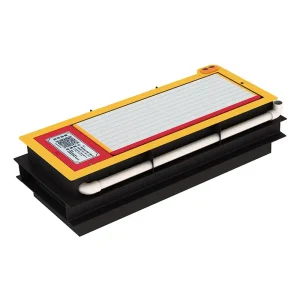
China City Parking Product Manufacturer, Price
-
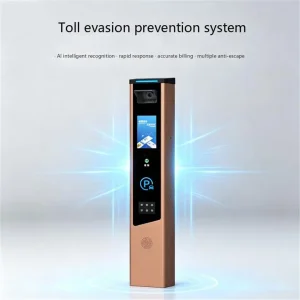
Durable High definition license plate recognition integrated - AnRuitong II Exporters, In Sales
-
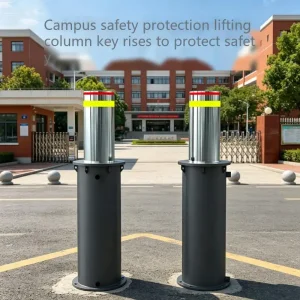
Discount Rising Bollard Instruction Manual Manufacturer, Quotation
-
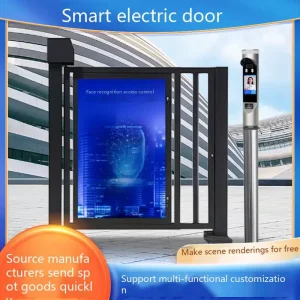
OEM Intelligent pedestrian advertising gate Factories, Price
-
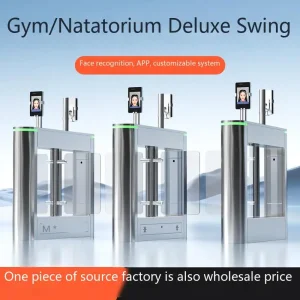
Durable Office Building Entrance Attendance Security Access Control Turnstiles Gate Swing Barrier Speed Gate Manufacturers, Supplier
-
Buy Discount Car Parking And Toll Access Control Automatic Articulated DC Parking Boom Barrier Gate With Long Range Rfid Reader Manufacturer, Price