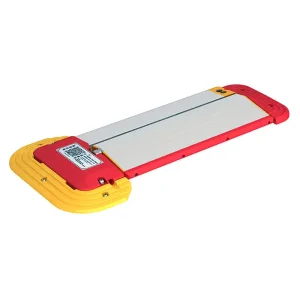
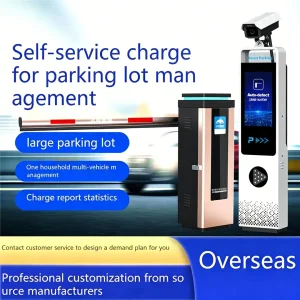
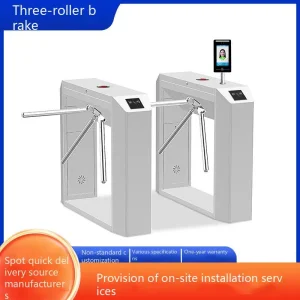
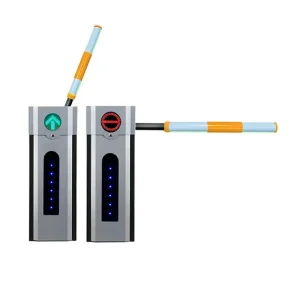
Factory-Direct Vehicle Lane Control & Barrier Stoppers
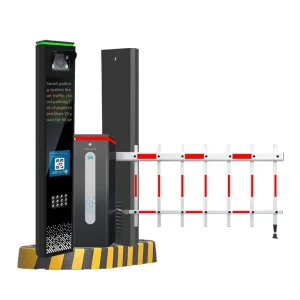
Combining rugged physical car stoppers with automated DC brushless boom barriers, intelligent plate recognition, and access gates for comprehensive traffic flow management.


Global Landscape of CE Certified Parking Lot Car Stoppers
A macroeconomic analysis of physical boundary control, impact deceleration technology, and European harmonized safety standards in modern facilities management.
Harmonized Regulatory Mandates
The global infrastructure sector has transitioned away from uncalibrated concrete wheel blocks toward CE-certified vulcanized elastomer & polymer composite car stoppers. Under EU Construction Products Regulation (CPR 305/2011) and EN safety benchmarks, car stoppers deployed in multi-story garages must ensure exact shear-stress thresholds, eliminating risk to load-bearing concrete slabs while preventing perimeter vehicle breach.
Electric Vehicle (EV) Bay Safety
The rapid proliferation of high-voltage DC supercharging stations requires millimeter-precision wheel positioning. Modern EV-specific car stoppers prevent curb overrun, safeguarding costly dispenser pedestals, subterranean liquid cooling circuits, and ultra-fast CCS/NACS charging umbilical cables from reverse-collision impact fractures.
Kinetic Energy Attenuation
Unlike rigid concrete stops that cause suspension deformation or tire blowouts, engineered elastomeric polymer stops exhibit viscoelastic compression. They absorb and redirect vehicular kinetic energy at speeds up to 8 km/h (5 mph), reducing impact force transmission to the vehicle chassis by 42% through calculated structural cavity deformation.
Metric Ton Dynamic Axle Load Rating
Recycled Polymer Composite Compliance
Thermal Stability & UV Resistance
Countries Deployed Under CE & ISO Standards
Technical Specification & Structural Architecture
A rigorous engineering breakdown of car stopper geometry, anchor mechanical dynamics, and material compounding engineered for mission-critical facilities.
| Performance Parameter | High-Density SBR/NR Elastomer | Ultra-High Molecular Weight PE | Reinforced Polyurethane (PUR) | Compliance Test Benchmark |
|---|---|---|---|---|
| Shore A Hardness Rating | 75 ± 5 Shore A | 65 ± 3 Shore D | 85 ± 5 Shore A | ASTM D2240 / ISO 7619 |
| Tensile Strength Capacity | > 9.5 MPa | > 22.0 MPa | > 18.0 MPa | DIN 53504 / ISO 37 |
| Elongation at Break | > 320% | > 180% | > 450% | ASTM D412 |
| Photometric Retroreflection | Class 2 High-Intensity Prismatic | Molded Neon Fluorescence | Diamond Grade Reflective Strips | EN 12899-1:2007 |
| Anchor Pullout Resistance | 12.5 kN (M12 Concrete Anchor) | 14.0 kN (M14 Mechanical Sleeve) | 16.5 kN (Chemical Epoxy Stud) | ETAG 001 Annex C / EOTA |
| CE Certificate Category | EN 1317-5 Highway & Lot | EN 12899 Traffic Devices | RoHS / REACH Compliant | TUV Rheinland Certified |
Dual-Cavity Structural Extrusion
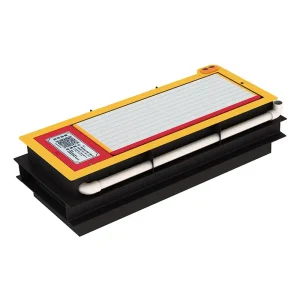
Engineered with longitudinal internal dampening channels. These micro-voids permit micro-flexure on contact, converting destructive lateral vehicle thrust into compressive downward vector forces that firmly clamp the stopper against the asphalt substrate rather than stripping the anchor pins.
Hydraulic & Moisture Runoff Channels
Subterranean water accumulation undermines pavement integrity. Our car stopper bases feature integrated concave drainage weir notches that ensure uninhibited water runoff, halting sub-base frost heave in sub-zero winter deployments and preventing stagnant hydroplaning slicks in covered parking basements.
In-Mold Vulcanized Visual Warning
Traditional surface paints flake within months under tire abrasion. Our units feature in-mold vulcanized polyurethane retroreflective chevrons. Molded directly under 200°C thermal curing, these reflective tapes resist mechanical scraping, chemical de-icing salts, and engine oil dripping.
Strategic Real-World Field Implementations
From automated logistics fulfillment centers to high-density commercial subterranean complexes, engineered car stoppers maintain critical structural safety margins.
Automated Cross-Dock Logistics Bays
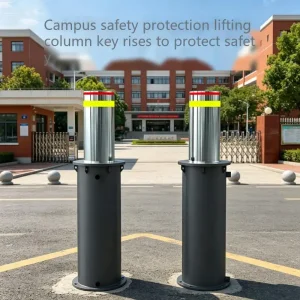
In freight transfer yards operating heavy commercial vehicles (HCVs) and light delivery fleets, high-profile 1830mm reinforced car stoppers stop vehicle overrun against loading docks. Paired with our Anrui rising bollards and barrier gates, this establishes a failsafe loading perimeter preventing forklift fall-offs and dock gate strikes.
Airport Multi-Tier Parking Structures
Multi-deck airport parking terminals demand absolute load dispersion. Our lightweight recycled rubber car stoppers minimize slab deadweight load while meeting stringent EU seismic and fire retardancy ratings (Class Bfl-s1), guarding perimeter glass railings and curtain walls from parking impacts.
EV Supercharging Plaza Hubs
Protecting capital-intensive 350kW+ DC charging hardware requires precise vehicle wheel stopping. Integrated stopper systems position vehicles at the optimal standoff distance (typically 650mm to 800mm), ensuring charging cables reach port inlets without excessive tension or pedestrian trip hazard.
Integrated IoT Smart Parking Ecosystems
Bridging passive mechanical stoppers with active digital surveillance, smart space locks, automated barrier boom gates, and AI-driven cloud enforcement platforms.
IoT Wireless Occupancy Telemetry
Next-generation smart car stoppers feature embedded geomagnetic and ultrasonic micro-sensors communicating via NB-IoT or LoRaWAN. The instant a vehicle compresses the stopper or settles into the stall, edge controllers log space occupation, instantly updating digital overhead wayfinding signs and billing engines.
Automated Parking Space Locks
For VIP reservations, fleet staging, and EV spot anti-ICEing enforcement, our car stoppers interface with automated electric rise-to-lock barriers. Unlocked via QR code scan, license plate whitelist, or RFID app authentication, these units drop flush to the pavement upon valid authorization.
Perimeter Ingress-Egress Synchronization
Complete facility security couples perimeter wheel stops with entrance lane Anrui high-definition license plate recognition (LPR) cameras and brushless DC barrier gates. Vehicle identification, bay assignment, precision stopper guidance, and ticketless billing operate under a single unified protocol suite.
Frequently Asked Questions on CE Certified Car Stoppers
Detailed technical, compliance, and installation answers curated for municipal authorities, commercial contractors, and system integrators.
What specific criteria validate a car stopper as CE Certified?
CE Certification for traffic management and parking barriers guarantees that the product adheres to European harmonized health, environmental, and mechanical impact directives under EN 1317 (road restraint systems) and EN 12899 (fixed vertical road traffic signs for retroreflective materials). It requires factory production control (FPC) audits, verified non-toxicity under EU REACH/RoHS, and tensile impact testing ensuring no fragmentation occurs during vehicle impact.
How do rubber and plastic car stoppers compare to traditional concrete stops?
Traditional precast concrete curbs weigh between 60kg and 100kg, cracking easily upon impact, spalling rebar under winter freeze-thaw cycles, and chipping vehicles' low-clearance bumpers. In contrast, vulcanized rubber and elastomeric composite stoppers weigh 8kg to 15kg (vastly cutting logistics and installation labor), absorb kinetic shock elastically, protect structural floor slabs from anchor tear-out, and maintain 100% weather resistance without degradation.
What is the standard installation setback distance from the wall or curb?
For standard passenger vehicles, the industry standard center-line setback is 750mm to 900mm (30 to 36 inches) from the front wall or curb face. For commercial van and delivery truck bays, setbacks are calibrated between 1100mm and 1300mm. This geometry ensures that front bumpers, spoilers, and vehicle overhangs come to rest safely short of contacting masonry barriers, storefront glass, or electric charging equipment.
Which anchoring mechanisms are used for asphalt versus concrete surfaces?
On cured concrete slabs, installers utilize M10 to M12 internal threaded mechanical expansion shield anchors or chemical epoxy threaded studs drilled to a depth of 100mm to 120mm. On asphalt surfaces—which exhibit lower tensile shear strength—installers deploy 300mm to 350mm fluted steel rebar spikes driven through pre-molded stopper collars, occasionally paired with high-tensile asphalt anchor bushings to prevent displacement under summer pavement softening.
Can Anrui supply bespoke dimensions and branded custom molded stoppers?
Yes. As an original equipment manufacturer (OEM) with high-tonnage vulcanizing presses and precision CNC tooling, Shenzhen Anrui designs custom lengths (from 500mm single-wheel blocks to 1830mm full-stall barriers), bespoke reflective color sequences (yellow, white, blue for disabled bays, green for EV stations), and embossed corporate logos directly integrated into the mold cavity for bulk wholesale and distributor contracts.
Explore Additional Access Control & Parking Security Hardware
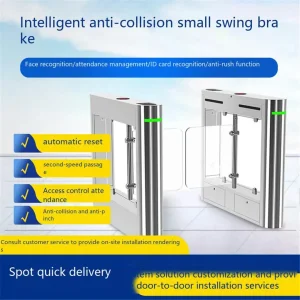
Integrate our precision parking car stoppers with Anrui's factory-tested lineup of intelligent vehicle access, ticketing gates, and smart pedestrian barriers.