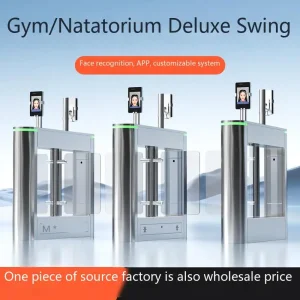
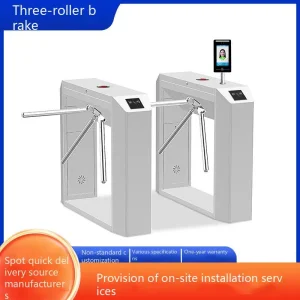
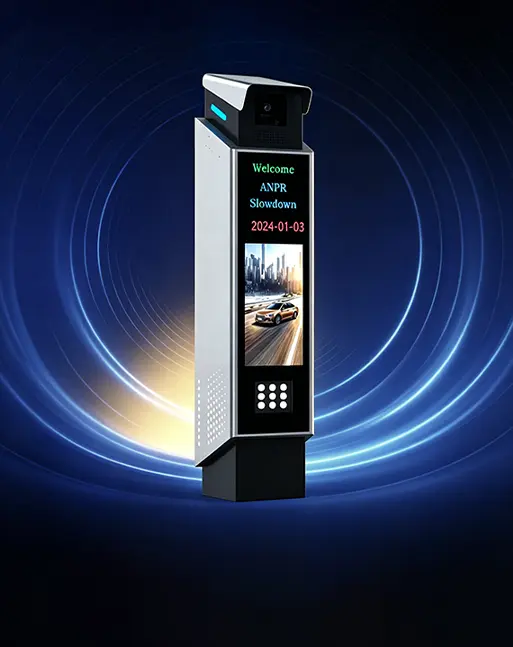
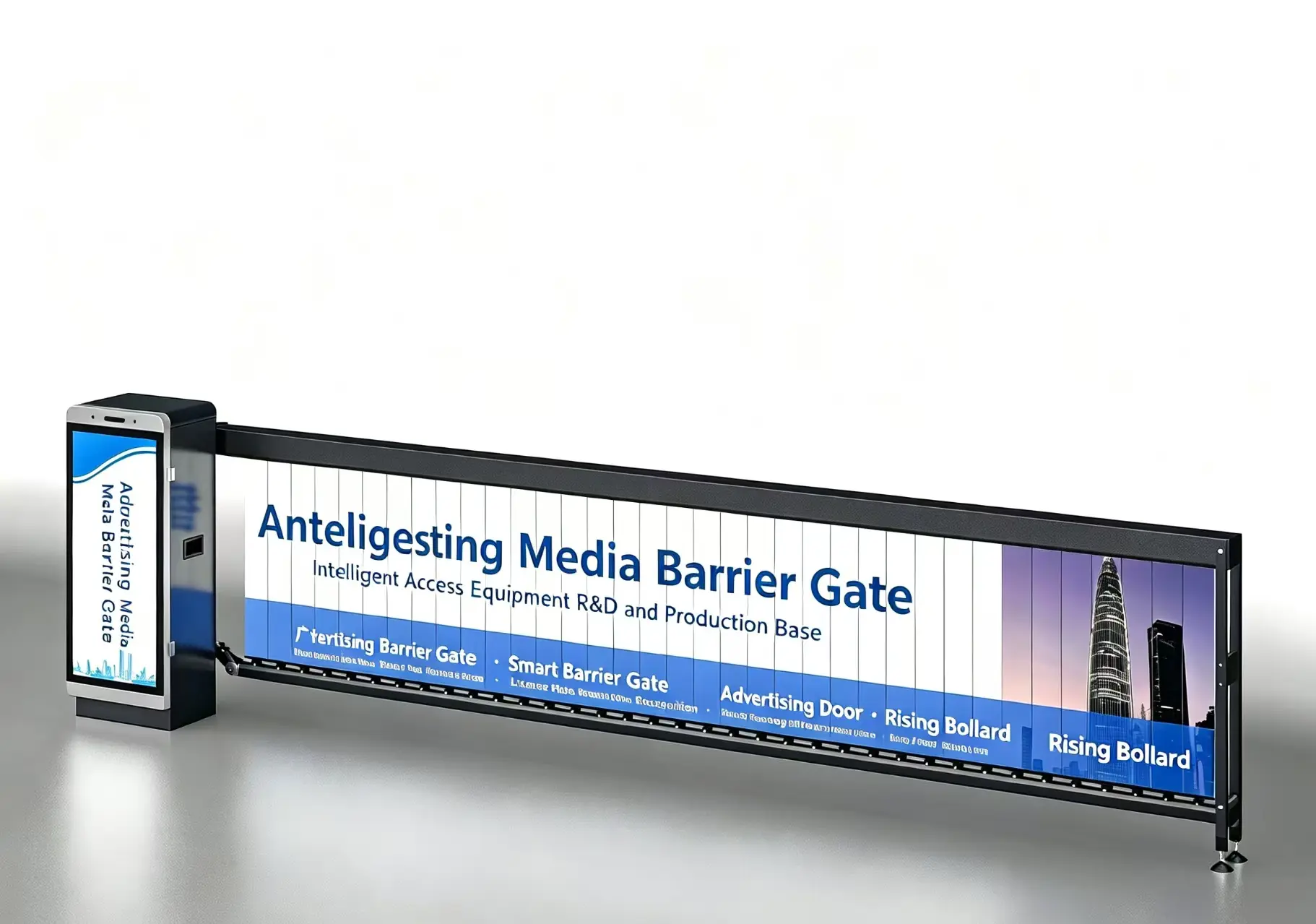
Primary Deployable Mobile & Perimeter Hardware
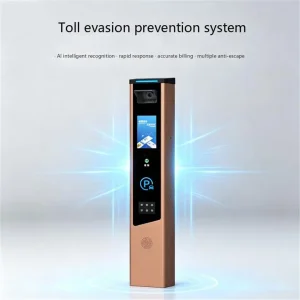
Engineered for seamless hardware handshake with deep-learning vision sensors, edge micro-controllers, and cloud-synchronized payment matrices.

Macro Industry Solutions & Commercial Landscape
Mobile and tactical License Plate Recognition (LPR/ANPR) systems have graduated from static tollway utilities into dynamic neural nodes driving urban mobility, intermodal logistics, and civil asset verification.
Edge-Compute AI Engine
Moving beyond server-dependent streaming, modern vehicle-mounted and mobile LPR cameras perform inference internally. Powered by low-power NPUs executing customized Convolutional Neural Networks (CNN), optical character recognition (OCR) takes place in sub-30 milliseconds directly on the device, ensuring uninterrupted operation during network backhaul throttling.
High-Velocity Optical Capture
Patented stroboscopic infrared (IR) matrix arrays and global shutter CMOS sensors actively counteract motion blur, high retro-reflective glare, and acute solar blooming. Crucial for speed vectors exceeding 160 km/h, mobile squads can monitor multi-lane opposing traffic with absolute character isolation across challenging environmental angles.
Global Payment & Enforcement
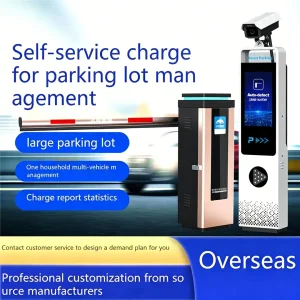
Unified telemetry directly bridges parking tariff reconciliation and automated fine dispatching. Standardized REST APIs, MQTT, and encrypted ONVIF Profile M integration ensure continuous telemetry syncing across municipal clearinghouses, bank switches, and enterprise physical access control systems (PACS).
CE Certification, Environmental Toughness & GDPR Adherence
International field deployment demands stringent regulatory compliance, strict electromagnetic compatibility, and cryptographic vehicle metadata protection.
CE EMC & LVD Compliance
Certified in accordance with EN 55032 Class A/B and EN 61000-6-3, these mobile LPR systems emit negligible harmonic disturbance while maintaining immunity to automotive electrical spikes, alternator ripple, and pulsed transient surges across 9V–36V wide DC industrial power lines.
GDPR / Privacy Shield
Incorporating on-sensor spatial anonymization, the edge architecture dynamically blurs human facial features, adjacent pedestrian paths, and non-target vehicle cabins before transmission. End-to-end payload encryption uses AES-256 and TLS 1.3 to guarantee full compliance with European privacy mandates.
IP67/IK10 Sealed Metallurgy
Encased in die-cast aluminum alloys with anti-corrosion fluorocarbon exterior coatings, our mobile vision modules withstand extreme vibration profiles (MIL-STD-810G), ambient operating thresholds from -40°C to +75°C, and pressurized washdown cycles without lens fogging.
Mission-Critical Deployment Topologies
Engineered to scale from single-lane roadside compliance monitors to enterprise-tier logistics facilities and multi-jurisdictional smart city programs.
Municipal On-Street Parking
Patrol cruisers outfitted with dual 45-degree angle mobile LPR lenses automate parking bay enforcement. Vehicles cruise at street speeds of 40 km/h, automatically logging overstays and communicating directly with cloud payment backends.
Temporary Gated Facilities
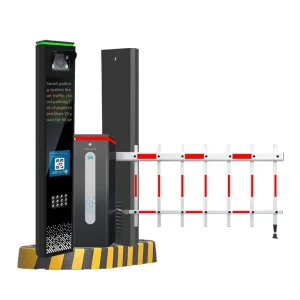
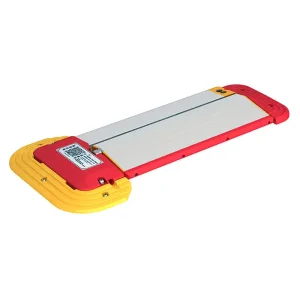
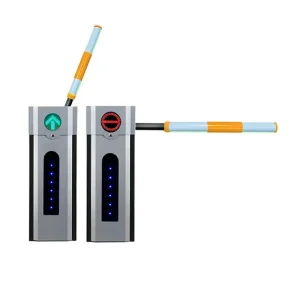
Rapid deployment tripods paired with rapid-drop boom gates provide immediate automated access validation for temporary high-profile concerts, international trade expos, and restricted disaster management zones without ground cabling.
Intermodal Freight Terminals
Mobile terminal tractors mounted with rugged LPR capture international freight license plates, ISO container identification serial numbers, and trailer plates in one synchronous pass to accelerate dry-port staging throughput.
Critical Infrastructure Security
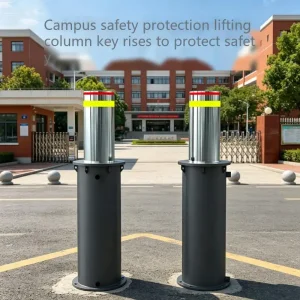
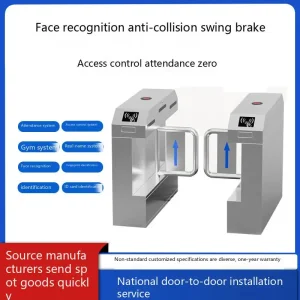
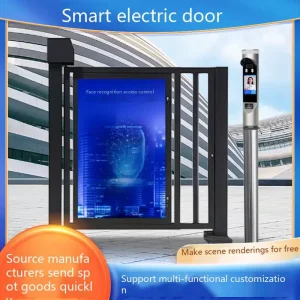
Integrated directly into rising anti-ram bollards and crash-rated speed gates, tactical mobile scanners provide high-assurance whitelist gate-opening mechanisms for military depots, petrochemical sites, and data center perimeters.
Engineering Roadmap & Forward-Looking Architecture
Continual R&D investments bridge vision-language models, edge transformer networks, and connected autonomous vehicle (C-V2X) direct infrastructure communications.
NPU Transformer Inference
Transitioning from standard CNN-based OCR to multi-layer vision transformers executing locally, boosting degraded plate recognition in severe blizzards, muddy construction zones, and rain squalls.
5G Standalone & C-V2X Integration
Integrating native 5G NR low-latency slicing alongside DSRC/C-V2X direct radio links, enabling mobile LPR units to broadcast warnings directly into connected automotive heads-up dashboards.
Neuromorphic Event Sensors
Validating bio-inspired event-based optical sensors that record luminance changes per microsecond, eliminating motion blur entirely and operating under exceptional micro-power envelopes.
Decentralized Trust Verification
Cryptographically stamping captured vehicle telemetry into immutable audit ledgers, preventing forensic dispute across cross-border tolling and multi-state judicial evidentiary hearings.
System Architect & Procurement Inquiry Guide
Essential technical clarifications addressing optics calibration, multi-national syntax parsing, environmental endurance, and third-party software integration.
How does the mobile LPR camera resolve reflective glare and high-speed motion blur?
What international license plate syntaxes and regional fonts are supported out of the box?
How does the hardware handshake with boom barriers, speed gates, and rising bollards?
What measures protect stored data in the event of hardware theft or network failure?
Can third-party VMS, parking management systems (PMS), or ERP platforms interface directly?
Perimeter Protection & Intelligent Lane Hardware
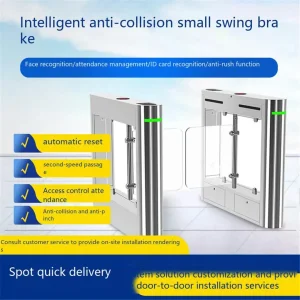
Reinforce high-security checkpoints and industrial transport hubs with physical velocity management and speed-gate controls.