
Integrated Access Hardware & Vehicle-Pedestrian Systems
Direct manufacturer deployment covering intelligent gates, high-definition license plate identification, and smart perimeter control.
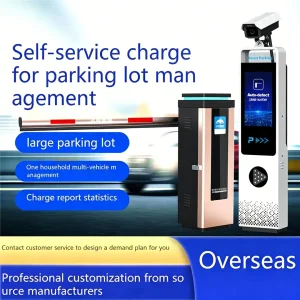
Durable High-def license plate recognition machine Dolphin I model Supplier, Exporters
Explore Dolphin I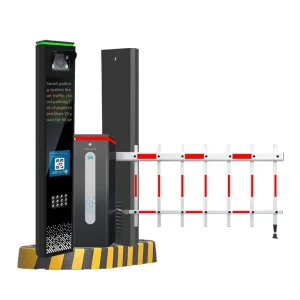
Buy Discount Car Parking And Toll Access Control Automatic Articulated DC Parking Boom Barrier Gate With Long Range Rfid Reader Manufacturer, Price
View DC Boom Barrier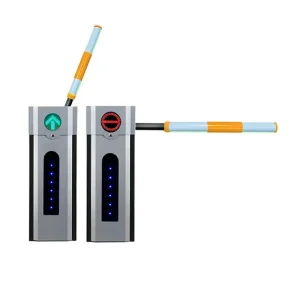
Newest Intelligent Barrier Gate Model D11S Factory, Factories
Inquire Model D11S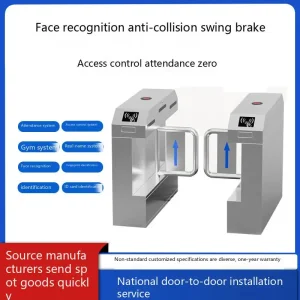
OEM Bridge Type Sloped Swing Gate Manufacturer, Quotation
Request Gate Quotation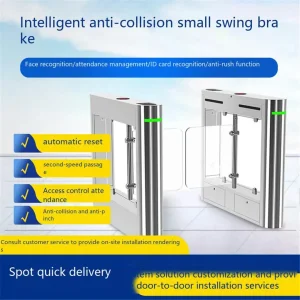
China Swing Gate Supplier, Quotation
Explore Swing Gate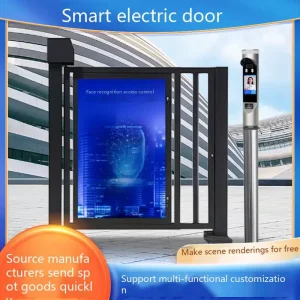
OEM Intelligent pedestrian advertising gate Factories, Price
Advertising Gates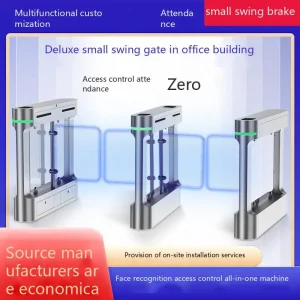
Durable Swing Gate Image Reference Manufacturer, Pricelist
Download Pricelist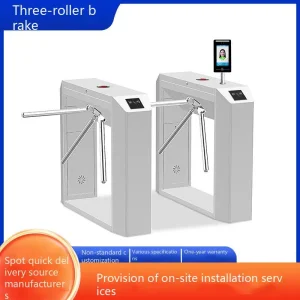
Cheap Factoryoem/ODM Durable Smart Fast Speed Swing Automatic Used Industrial Gym Turnstile Gate Manufacturer, Factory
Speed Swing GateMacro Commercial Status & Industrial Transformation
The global electronic access control landscape is rapidly shifting toward unified, cryptographic smart credentials and edge-authenticated locksets.
$16.4 Billion by 2030
The global commercial card door lock and electronic locking hardware market is expanding at a CAGR of 8.9%. Growth is propelled by institutional retrofits, stringent building fire codes, and the mass obsolescence of unencrypted 125 kHz legacy proximity cards in favor of ISO 14443 Type A/B smart credentials.
Deprecation of Static UID
Vulnerabilities exposed by open-source sniffing devices (e.g., Flipper Zero, Proxmark3) have forced modern enterprises to outlaw unauthenticated Card Serial Numbers (CSN). Modern commercial tenders now strictly specify MIFARE DESFire EV2/EV3 with AES-128/256-bit encryption and secure cryptographic key diversification.
Unified Edge-to-Cloud Integration
Card door locks no longer operate as isolated mechanical islands. Modern architectures require seamless interoperability with centralized physical access control systems (PACS), IP-based turnstile speed lanes, automatic license plate recognition (LPR), and emergency fire alarm system (FAS) release protocols.
CE Certification Framework & Testing Specifications
A rigorous examination of mandatory European standards governing electromechanical mortise locks, radio frequency emission, fire compartmentalization, and life safety.
EN 14846:2008 Standard
Specifies requirements and test methods for electromechanically operated locks and striking plates. Evaluates mechanical strength, latch side load resistance (up to 10 kN), tamper security, and endurance across a minimum of 200,000 continuous operating cycles under mechanical pre-load.
- Grade 7 durability classification
- Corrosion resistance up to EN 1670 Grade 4
- Fail-secure and fail-safe solenoid fatigue testing
RED Directive 2014/53/EU
Ensures that card locks equipped with 13.56 MHz RFID, NFC, Bluetooth Low Energy (BLE 5.3), or Sub-1GHz wireless mesh transceivers do not cause harmful interference and maintain electromagnetic immunity against high electrostatic discharge (ESD ±15kV air, ±8kV contact).
- ETSI EN 300 330 (Short Range RFID Devices)
- ETSI EN 301 489-1/-3 (Electromagnetic Compatibility)
- EN 62368-1 (Audio/video & ICT electrical safety)
EN 1634-1 & EN 179 / EN 1125
Door lock systems intended for fire-rated barriers must withstand exposure up to 120 minutes (EI120) without structural thermal failure. Emergency exit models feature mechanical panic release functions that immediately retract the latch and deadbolt via single-motion handle actuation.
- 30 / 60 / 90 / 120-minute furnace certification
- Instant egress panic function (DIN EN 179)
- Intumescent fire pack integration
| Evaluation Parameter | Commercial Grade 1 Requirement | Anrui Engineering Standard | Certification Authority / Protocol |
|---|---|---|---|
| Cycle Endurance | 100,000 - 200,000 cycles | 500,000 test cycles verified | EN 14846 / ANSI/BHMA A156.13 |
| Deadbolt Physical Cut Resistance | Saw resistant roller pin, 1500 N force | Hardened steel core with anti-cut tungsten pin | EN 12209 Grade 6 |
| RFID Encryption Layer | Proprietary 48-bit or standard UID | AES-128 / DESFire EV3 Hardware SE | ISO/IEC 14443 Type A/B, NFC Forum |
| Environmental Rating | IP44 - IP54 indoor/sheltered | IP66 / IP67 conformal coated electronics | IEC 60529 / salt spray ISO 9227 (96 hrs) |
| Fire Core Compartmentation | 30-minute standard door | EI60 / EI120 integrity rated | EN 1634-1 / UL 10C Positive Pressure |
Macro Perimeter-to-Portal Access Integration
How Shenzhen Anrui Intelligent Equipment Co., Ltd. synchronizes card-operated door locks with external barriers, parking control, and lobby speed turnstiles into a unified security backbone.
Outer Perimeter: LPR & DC Barrier Gates
Vehicles approaching the facility are validated at high speed via Anrui ANPR cameras (Dolphin I / AnRuitong II) or long-range active RFID tags. The barrier gate motor completes variable-speed lift within 0.9 to 3.0 seconds, instantly transmitting the verified vehicle identity to the central access ledger.
Lobby Ingress: High-Speed Swing Gates
Pedestrians present their encrypted smart card or NFC mobile wallet at Anrui bridge-type swing turnstiles or speed gates. Infrared beam arrays execute microsecond anti-tailgating algorithms, passing real-time transit tokens downstream to elevator destination dispatch controllers.
Inner Portal: CE Certified Card Locks
The identical MIFARE DESFire or BLE virtual key authenticates individual office suites, server rooms, hotel guest rooms, or clinical labs. Offline locks utilize virtual network data-on-card (SVN), while online locks utilize Zigbee 3.0 / Matter over Thread for immediate credential revocation.
m² Manufacturing & Testing Facility in Shenzhen
Countries Deployed Across Europe, Asia, & Middle East
Encrypted Smart Card Verification Latency
International Currencies for Unattended Parking Solutions
Localized Industry Scenarios & Operational Blueprints
Targeted mechanical configurations, communication backbones, and physical finishes tailored to specific enterprise sectors.
Luxury Hotels & Boutique Resorts
Requires seamless integration with Property Management Systems (PMS via FIAS/RESTful API). Locks feature brushed SUS304 or PVD titanium finishes, high-security European mortises, and split electronic escutcheons.
- Contactless check-in with Apple Wallet / Google Wallet NFC keys
- Energy-saving smart card switches for room automation
- Audit trail preserving 2,000 offline timestamped events
Multi-Tenant Corporate Offices
High-turnover employee directories necessitate dynamic access rights. Interfaced with Anrui turnstiles and elevator control banks, enabling single-credential transit from the underground parking barrier directly to private executive suites.
- OSDP v2.2 with Secure Channel Protocol (SCP)
- Anti-passback integration across physical turnstile lanes
- PoE (Power over Ethernet) wired online escutcheons for server banks
Hospitals, Biotech & Clean Labs
Demands rigorous hygiene standards and rapid touchless clearance. Card door locks are coated with antimicrobial silver-ion powder surfaces and coupled with automatic wave-to-open sensors to prevent pathogen cross-contamination.
- Strict auditability compliant with HIPAA and GDPR physical requirements
- Chemical-resistant gaskets resistant to ethanol disinfection wipes
- Instant lockdown capabilities triggered by bio-containment alerts
University Dormitories & Academic Centers
Extremely high traffic volumes and rough handling demand heavy-duty cast stainless steel escutcheons and anti-vandal clutching clutch mechanisms. The system operates on an offline Virtual Network (Data-on-Card), where update readers installed on high-traffic lobby turnstiles rewrite blacklist and expiration data onto student RFID cards daily.
High-Security Distribution Centers & Utilities
Deployed in outdoor or semi-outdoor dock master offices, substation gatehouses, and chemical staging corridors. Features wide operating thermal ratings (-40°C to +75°C) and silicone potted electronics. Synchronized with Anrui hydraulic rising bollards and heavy-duty boom barriers to create tiered vehicular and pedestrian entrapment traps (mantraps).
Technology Roadmap: Next-Gen Access Paradigms
Strategic advancements reshaping commercial physical security hardware over the next decade.
Ultra-Wideband (UWB) Spatial Keys
Transitioning beyond conventional BLE signal RSSI trilateration. UWB IEEE 802.15.4z fine-ranging calculates distance down to 10 centimeters, completely preventing relay station attacks (RSA) and enabling true hands-free access as authorized personnel walk through locked portals.
Thread & Matter Native Ecosystems
Eliminating expensive proprietary wireless hubs. Next-generation Anrui commercial door locks will support Thread mesh over IPv6, communicating natively with building automation nodes, reducing latency, eliminating single points of failure, and cutting installation labor by up to 45%.
AI Edge Anomaly Detection
Integrated ultra-low-power microcontrollers equipped with TinyML evaluate door behavior patterns directly on the lock. Identifies micro-vibrations indicative of manual lock picking, unauthorized handle jiggling, door propping, or abnormal access frequency outside shift parameters.
Engineering Specification Matrix for Global Tenders
Essential checklist for architects, general contractors, and overseas physical security distributors.
Architectural & Mechanical Factors
- Door Thickness Range: Standard 38mm to 65mm; extended spindle sets available up to 110mm for acoustic or armored doors.
- Mortise Standards: Compatibility with ANSI 70mm/45mm backset or European DIN 85mm/72mm center-to-center profiles.
- Material Quality: Solid investment cast SUS304 or forged SUS316 stainless steel handles and faceplates; salt spray test rating >96 hours.
- Fire Door Integrity: Intumescent jacket provisions compliant with EN 1634-1 thermal barrier insulation criteria.
Electrical & Network Protocols
- Operating Power: 4x or 8x AA Industrial Alkaline batteries with 18-month service life (~30,000 actuations); PoE (IEEE 802.3af) for hardwired models.
- Emergency Override: Hidden Class 6 euro-profile mechanical brass cylinder with proprietary dimple key plus external USB-C emergency power terminal.
- Communication Topology: Sub-1GHz 868MHz (EU) / 915MHz (US) wireless mesh, BLE 5.3, or hardwired RS-485 running OSDP v2.2.
- CE Mark Certification: Factory test reports covering EN 14846, EN 62368-1, and RED Directive 2014/53/EU mandatory for customs clearance.
Frequently Asked Questions for Importers & Integrators
Authoritative technical solutions regarding compliance, protocols, life safety, and ecosystem interoperability.
What specific European directives must a card door lock fulfill to carry an authentic CE mark?
How does your lock system prevent smart card cloning and replay attacks?
Can Anrui card door locks interface directly with third-party turnstiles and barrier gates?
What happens to electromechanical door locks during a primary power failure or battery drain?
What is the difference between offline Data-on-Card (SVN) and online wireless card locks?
How does Anrui assist international distributors with OEM/ODM customization?
High-Security Commercial Turnstiles, Locks & Vehicle Access
Complementary hardware platforms engineered to link seamlessly with smart card credentials and centralized security servers.
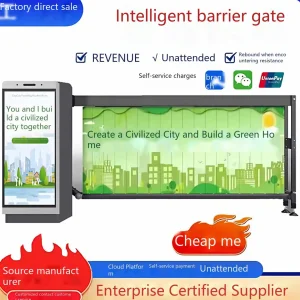
Durable Intelligent Barrier Gate Model D03 Manufacturer, Suppliers
Explore Barrier D03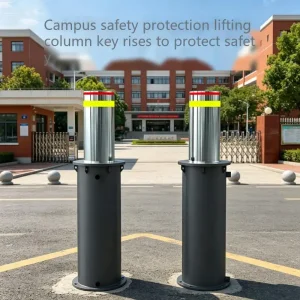
Discount Rising Bollard Instruction Manual Manufacturer, Quotation
Rising Bollards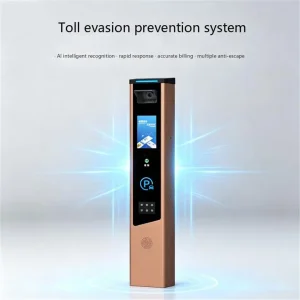
Durable High definition license plate recognition integrated - AnRuitong II Exporters, In Sales
View AnRuitong II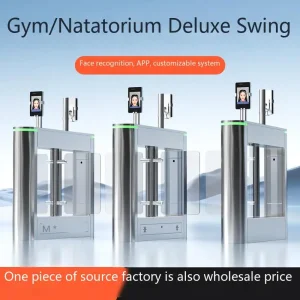
Durable Office Building Entrance Attendance Security Access Control Turnstiles Gate Swing Barrier Speed Gate Manufacturers, Supplier
Office Speed Gates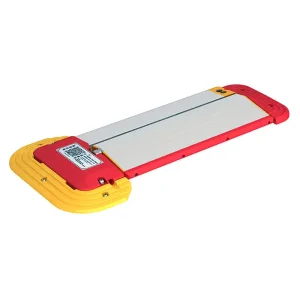
Advanced Scan to pay charging pilecommunity parking lock automatic sensing,electric shared scanning paymentanti-oil car occupying parking space Supplier, Factory
Smart Space Lock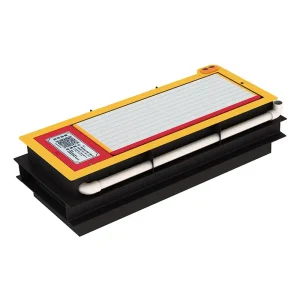
China City Parking Product Manufacturer, Price
Municipal Solutions
Durable High-def license plate recognition machine Dolphin I model Supplier, Exporters
Explore Dolphin I
Buy Discount Car Parking And Toll Access Control Automatic Articulated DC Parking Boom Barrier Gate With Long Range Rfid Reader Manufacturer, Price
DC Boom BarrierRequest CE Technical Files & Architectural Lock Specifications
Speak directly with Shenzhen Anrui application engineers for tailored wiring schematics, CAD mortise drawings, API documentation, and container-load FOB/CIF quotations.