
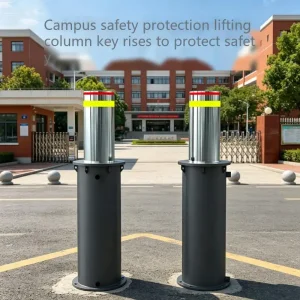
Primary Vehicle & Pedestrian Deployment Lineup
Core Bollards & Access Infrastructure for Bangladesh Sites
Pre-engineered access systems configured specifically for high-frequency deployment in Bangladesh’s commercial corridors, diplomatic zones, and export manufacturing zones.
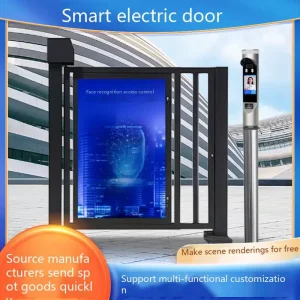
Intelligent Pedestrian Advertising Gate Engineered for Dhaka Commercial Plazas
OEM Intelligent Advertising Gate Price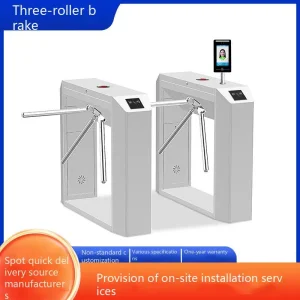
Industrial Smart Fast-Speed Swing Turnstile Gate for Gazipur & Narayanganj RMG Hubs
Industrial Swing Turnstile Gate Factory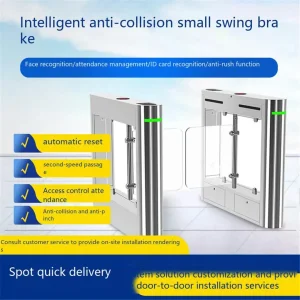
Heavy-Duty Automatic Access Control Swing Gate for Chittagong Port Logistic Yards
China Swing Gate Supplier Quotation
Industrial Landscape Analysis
Perimeter Security Dynamics in Bangladesh's Accelerating Economy
Rapid urbanization, mega infrastructure programs, and strict international compliance standards make robust vehicle mitigation and perimeter access vital for modern enterprises.
Dhaka Metro & Mega Infrastructure Boom
The operational expansion of the Dhaka Metro Rail (MRT Lines 6, 1, and 5), the Dhaka Elevated Expressway, and Hazrat Shahjalal International Airport’s Terminal 3 has transformed transit security demands. High-density nodes require certified vehicle mitigation systems capable of preventing Hostile Vehicle Mitigation (HVM) incidents without paralyzing passenger traffic flow.
- Transit hub perimeter protection with ASTM F2656 M30/M50 ratings
- Integration with automated ticketing, ANPR, and central monitoring
- Continuous cycling durability handling 20,000+ daily vehicle passes
Export Processing Zones (EPZ) & RMG Compliance
Bangladesh’s ready-made garment (RMG) sector and EPZs across Savar, Adamjee, Chittagong, and Comilla face intense security scrutiny from global international brands. Facility perimeters must balance open emergency egress routes for life safety with impenetrable physical vehicle containment to safeguard multi-million-dollar inventory and personnel.
- RSC and international safety code compliant emergency egress drop
- Anti-ram security barriers defending customs-bonded warehouses
- Combined biometric & license-plate recognition access gates
Diplomatic & Critical Banking Infrastructure
The diplomatic zones of Baridhara and Gulshan, along with commercial banking centers in Motijheel and Agrabad, require discreet, architecturally elegant, yet unyielding anti-terror defenses. Retractable rising bollards maintain uninterrupted pedestrian aesthetics while stopping heavy trucks traveling at 80 km/h in their tracks.
- Low-profile aesthetic with 316 brushed stainless steel sleeves
- Emergency Fast Operation (EFO) deployment speed under 1.5 seconds
- Multi-layer access logic: Interlocking bollards, spikes, and arm gates
Rigorous Engineering Matrix
International Crash Testing Standards & Mechanism Comparison
Procuring rising bollards for institutional projects demands precise technical compliance. Below is an engineering comparison matrix designed for structural consultants, MEP contractors, and defense planners in Bangladesh.
| System Architecture | Impact Energy Rating | Actuation Drive | Monsoon Flooding Resilience | Deployment Speed | Maintenance Lifecycle |
|---|---|---|---|---|---|
| Hydraulic Integrated (Built-in HPU) | K4 / PAS 68 (681 kJ) | Submersible Micro Hydraulic Pump | IP68 hermetic seal; operating submerged up to 72 hours | Normal: 3.2s | EFO: 1.5s | High reliability; self-lubricating synthetic fluid; 3M cycles MTBF |
| Hydraulic External Central Station | K12 / M50 (1,852 kJ) | Heavy-Duty External Industrial Hydraulic Unit | High: Pit contains only slave cylinder; electronics housed in cabinet | Normal: 2.8s | EFO: 1.0s | Centralized maintenance; ideal for multi-bollard bank synchrony |
| Heavy Electromechanical Drive | Medium Security (320 kJ) | Brushless DC (BLDC) Motor + Ball Screw | Moderate (IP67); requires continuous active pit drainage | Normal: 4.5s | EFO: N/A | Gearbox wear monitoring; carbon brush-free; electronic limit switches |
| Fixed Shallow Mount Anti-Ram | K12 / ASTM M50 (1,852 kJ) | Static Rebar Subsurface Matrix | Impervious to water; complete galvanic hot-dip galvanizing | Static (Continuous Barrier) | Zero moving parts; periodic visual inspection of weld joints |
| Semi-Automatic Gas Spring Bollard | K8 Light Impact (950 kJ) | Mechanical Key Release + Nitrogen Gas Strut | High; zero electrical coils inside installation pit | Manual Key Action: 2.0s | Gas pressure testing every 3 years; manual key cylinder lubrication |
Technical Note for Structural Specifiers: For sites situated in the alluvial delta of southern Bangladesh (including Chattogram Port, Khulna, and Barisal), we mandate the selection of external hydraulic power units (HPU) installed in above-ground IP66 weather-resistant control kiosks, paired with deep sump pit submersible drainage pumps with backflow prevention valves.
Manufacturing Precision & International Delivery
Engineered for Zero Failure in Mission-Critical Scenarios
Shenzhen Anrui Intelligent Equipment Co., Ltd. combines heavy metal fabrication mastery with intelligent edge computing, delivering field-tested anti-ram systems worldwide.
1,850+
kJ Kinetic Energy Absorbed (K12/M50)
< 1.2s
Emergency Fast Operation (EFO) Speed
IP68
Certified Submersible Water Ingress Rating
3,000,000
Continuous Operational Cycles (MTBF)
Localized Climate & Grid Adaptation
Overcoming Monsoon Flooding, Salinity, and Grid Volatility
Procuring rising bollards from Chinese exporters for installation in Bangladesh presents severe environmental challenges that standard European or temperate hardware fails to withstand.
Monsoon Waterlogging & High Water Table Engineering
Bangladesh experiences 1,500 to 4,000 mm of annual rainfall, frequently submerging urban intersections in Dhaka and Chittagong. Standard bollard pits become water reservoirs, causing hydraulic motor seizure and short-circuited control boards.
- Hermetically sealed IP68 hydraulic cylinders with marine-grade fluororubber seals
- Integrated gravel soakaway filtration pit designs with pre-piped submersible drain outlets
- Corrosion-resistant epoxy-coated casing with sacrificial zinc anodes for galvanic defense
Coastal Saline Corrosion & 316 Stainless Sleeves
The industrial and commercial complexes around Chattogram, Mirsarai Economic Zone, and Cox's Bazar face aggressive airborne salt-fog corrosion that oxidizes common carbon steel or basic 201/304 stainless steel in less than 18 months.
- Optional 6mm–12mm thick AISI 316 austenitic stainless steel external sliding sleeves
- Electropolished and passivation-treated surface finishes resisting pitting corrosion
- Internal mechanical guide rods treated with hard-chrome plating exceeding 50 microns
Grid Fluctuations & UPS / Solar Uninterrupted Fallback
Frequent brownouts, transient surges, and power drops across industrial feeder lines can corrupt PLC memory and blow induction motor coils. Our control systems include multi-stage surge arrestors and fail-safe operation logic.
- Wide-voltage tolerance industrial power supplies (160V to 265V AC operating window)
- Pure sine-wave online UPS backup enabling 50+ continuous complete rise/fall cycles during blackouts
- Manual hydraulic ball valve release for immediate gravity-assisted flush lowering during emergencies
B2B Trade & Tender Execution
Procurement Framework, Landed Cost Calculation & Documentation
A step-by-step roadmap for Bangladesh general contractors, security integrators, and institutional project directors to ensure seamless customs clearance and compliant bank documentation.
Customs Tariff & HS Codes
Accurate tariff classification prevents customs delays and penalties at Chattogram Seaport (CTG) or Hazrat Shahjalal International Airport (DAC).
- HS Code 8479.89.99: Mechanical appliances with individual functions (Preferred for hydraulic bollards)
- HS Code 7308.90.00: Structures of iron or steel (Applicable for static shallow mount barriers)
- Customs Documentation: Form E / Country of Origin Certificate, Mill Test Certificates (EN 10204 3.1)
Letter of Credit (L/C) Compliance
We work directly with Tier-1 Bangladeshi banks (including Standard Chartered, BRAC Bank, Eastern Bank, and City Bank) navigating stringent import LC terms.
- Standard terms: Irrevocable 100% L/C at sight, or 30% T/T advance with 70% against BL copy
- Pre-Shipment Inspection (PSI) certificates via SGS, Bureau Veritas, or Intertek supported
- Customized Commercial Invoices conforming to Bangladesh Bank Foreign Exchange Guidelines
Factory Acceptance Testing (FAT)
Prior to sea freight dispatch from Shenzhen/Guangzhou ports, full structural and electrical validation is conducted to eliminate on-site commissioning delays.
- Continuous 48-hour pressure cycling & heat run tests on hydraulic power units
- IP68 water submersion chamber certification on all submersible electronics
- Video FAT inspection with remote engineering walkthrough for Bangladesh clients
Technical Clarifications
Frequently Asked Questions on Bangladesh Rising Bollard Installations
Straight answers from our engineering desk regarding installation, power compatibility, civil engineering, and vehicle detection integration in Bangladesh.
How do your rising bollards survive severe waterlogging during the Dhaka monsoon?
Our hydraulic bollards incorporate IP68-rated dual O-ring hermetically sealed micro hydraulic power units. Furthermore, the pit casing features an engineered sump pit with pre-welded flange connections for submersible sump pumps equipped with automated float switches. Even in cases where water fills the installation pit completely, the internal electronics and cylinder mechanics operate without moisture ingress.
Can the bollards integrate with Bengali script License Plate Recognition (ANPR)?
Yes. Our central PLC controllers utilize open Wiegand, RS-485, and TCP/IP relay interfaces. When paired with high-definition ANPR cameras trained on Bangladesh Road Transport Authority (BRTA) license plates (including Bengali script and district tags), the bollards can trigger automated lowering for authorized municipal, commercial, or resident vehicles within 1.2 seconds.
What is the difference between K4, K8, and K12 crash-rated barriers?
Crash ratings refer to the kinetic energy absorbed during an impact test. A K4 (ASTM M30) rated bollard stops a 6,800 kg medium-duty truck traveling at 48 km/h. A K8 (ASTM M40) stops the same truck at 65 km/h. A K12 (ASTM M50 or PAS 68) stops a 7,500 kg heavy truck traveling at 80 km/h with zero chassis penetration (P1 rating). We supply all three tiers depending on your security risk profile.
How are rising bollards operated during total power blackouts in Bangladesh?
Our systems include two fail-safe layers: First, an integrated industrial online UPS battery backup sustains 40–60 full operational cycles. Second, every bollard features a mechanical manual pressure relief valve. In the event of catastrophic power loss, turning the valve key allows the bollard to safely lower under gravity flush with the roadway to permit emergency vehicle access.
What is the standard sea freight transit time from Shenzhen to Chittagong Port?
Sea freight shipping from Shenzhen (Yantian/Shekou) directly to Chittagong Port typically takes 14 to 18 transit days. We package all bollards in fumigated, moisture-sealed export-grade wooden crates lined with anti-corrosion VCI barrier films to protect sensitive electromechanical and polished stainless surfaces throughout transit.
What civil engineering excavation depth is required for installation?
For standard 600mm raise-height bollards, the required civil trench depth is approximately 1,100mm to accommodate the foundation box, drainage gravel, and rebar cage. For sites with shallow underground utilities or high water tables, we provide our Shallow Mount series which requires an excavation depth of only 250mm to 400mm while maintaining full K12 anti-ram stopping power.
Complete Integrated Product Ecosystem
Extended Vehicle Barrier, Turnstile & Smart Parking Portfolio
Comprehensive entrance security hardware engineered to link with central security platforms for complete facility protection across Bangladesh commercial properties.
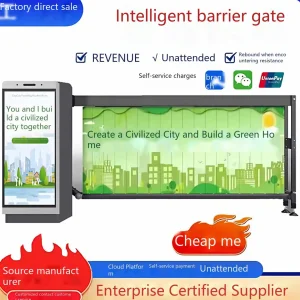
Durable Intelligent Barrier Gate Model D03 for Commercial Complexes
Model D03 Barrier Gate Supplier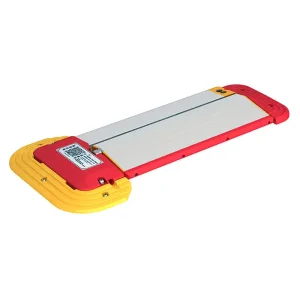
Advanced Scan-to-Pay Shared Community Parking Space Anti-Occupying Lock
Smart Parking Space Lock Factory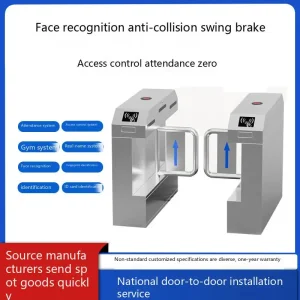
OEM Bridge-Type Sloped Speed Swing Gate for Dhaka Corporate Towers
Bridge Sloped Swing Gate Quotation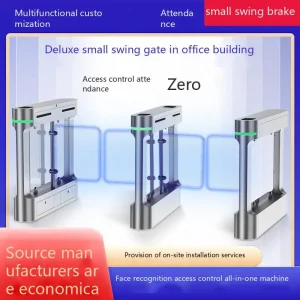
Commercial Biometric Swing Barrier Gate System with Fast Passage Sensors
Durable Swing Gate Pricelist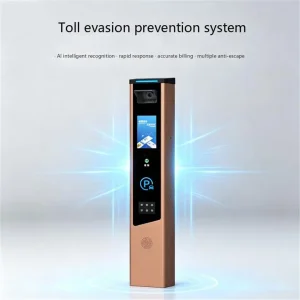
High-Definition License Plate Recognition Integrated AnRuitong II
LPR AnRuitong II Exporters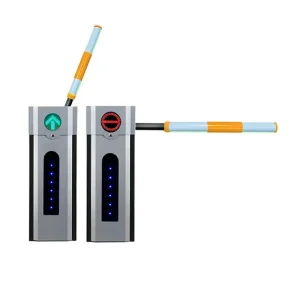
Newest Intelligent High-Speed Barrier Gate Model D11S for Highway Tolls
Intelligent Barrier Model D11S Factory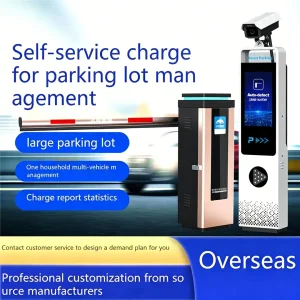
High-Definition License Plate Recognition Camera Dolphin I Model
Dolphin I ANPR Machine Supplier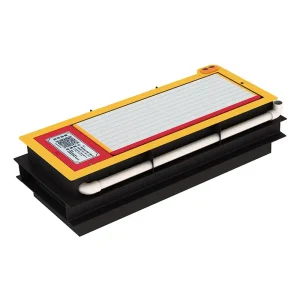
Integrated Smart City Parking Infrastructure & Cloud Guidance System
City Parking Product Price
Direct Factory Support For Bangladeshi Importers
Request an Authoritative Factory Quotation & Technical BOQ
Partner directly with Shenzhen Anrui Intelligent Equipment Co., Ltd. Get factory-direct pricing, certified crash-test reports, customized CAD civil installation blueprints, and complete L/C payment documentation for your project in Bangladesh.