
High-Demand Smart Parking Systems for Israel Deployments
Featured core hardware architecture tailored for municipal, commercial, and private access control in major urban districts.
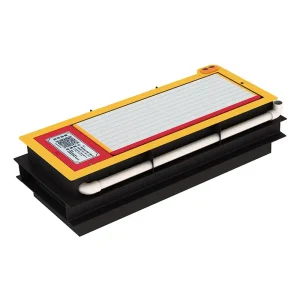
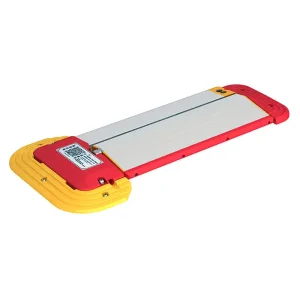
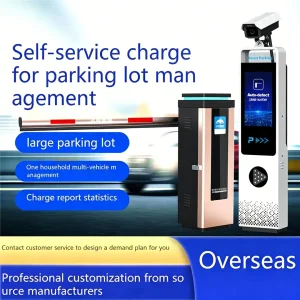
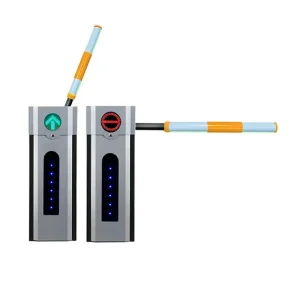
1. Commercial & Industrial Landscape of Smart Parking in Israel
The State of Israel presents a unique, hyper-dense urban landscape characterized by rapid motorization, constrained metropolitan land area, and world-leading technological adoption. In major economic corridors such as the Gush Dan (Tel Aviv Metropolitan Area), Herzliya Pituach, Haifa’s Matam Park, and Jerusalem’s technological parks, parking friction has emerged as a primary bottleneck for commercial productivity and urban liveability.
With vehicle ownership rates rising steadily across Israeli households and commercial fleets expanding, the demand for dedicated space protection—specifically advanced automated parking locks and barrier systems—has reached an all-time high. Municipal initiatives prioritizing "Smart City" paradigms (such as Tel Aviv's digital traffic ecosystem) require physical parking hardware to seamlessly interface with centralized mobility software via IoT protocols.
Uncontrolled parking space occupation in commercial real estate leads to an estimated 14% drop in daily facility operations efficiency across Israeli business parks. Implementing smart, IP68-rated automated space protection locks reduces unauthorized vehicle occupancy by 99.4%, drastically optimizing space utilization rates.
Furthermore, Israel's rapid transition toward Electric Vehicles (EVs) has introduced a critical challenge: "ICE-ing"—the illegal parking of Internal Combustion Engine vehicles in dedicated EV charging bays. Intelligent parking locks equipped with ultrasonic detection, scan-to-pay functionality, and cloud API integration are now the baseline defense mechanism specified by Israeli charge point operators (CPOs) and commercial facility managers.
2. Targeted Application Scenarios Across Israeli Infrastructure
Customizing hardware specs to meet the architectural, operational, and climatic demands of Israeli installations.
High-Dense Residential Complexes (Tama 38 Projects)
Under Urban Renewal (Tama 38) projects across Tel Aviv and Ramat Gan, underground parking is tightly rationed. Private bay protection locks equipped with Bluetooth low energy (BLE) and RFID tags prevent neighbors or visitors from occupying designated private spaces.
High-Tech Business Parks (Herzliya & Yokneam)
Commercial office towers require dynamic parking space allocation for C-suite executives, visiting clients, and shared employee fleets. Remote cloud-controlled parking locks sync with corporate app platforms to reserve and unlock bays on demand.
EV Charging Station Anti-Occupancy Protection
Integration with Israeli payment solutions (including localized QR billing protocols). The parking lock remains raised until an EV user scans the charger code and initiates a charging session, ensuring high turnover and revenue optimization.
Municipal & High-Security Perimeter Zones
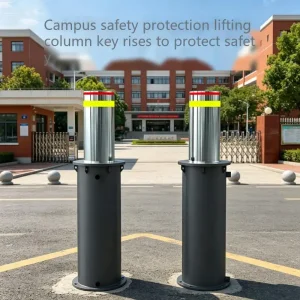
For sensitive administrative centers in Jerusalem or logistics hubs near Ashdod and Haifa ports, heavy-duty hydraulic bollards and heavy-arm parking locks provide physical anti-ram protection and strict access authorization.
3. Technology Roadmap: From Mechanical Barrier to AI-oT Ecosystem
The parking access hardware industry is experiencing a profound paradigm shift. Legacy mechanical padlocks and standalone manual barriers are obsolete in modern smart building designs. The forward-looking tech roadmap for the Israeli market centres on four core hardware-software integration pillars:
A. Solar Photovoltaic & Micro-Power Management
Given Israel’s high annual solar irradiance (averaging over 3,200 hours of sunshine per year), modern outdoor parking locks are designed with integrated monocrystalline solar panels and ultra-low-power sleep architectures. This eliminates the massive labor and material costs of trenching high-voltage electrical conduit across asphalt parking spaces.
B. Multi-Protocol Wireless Mesh Connectivity (NB-IoT / LoRaWAN / BLE)
Next-generation parking locks deployed across Israeli municipalities rely on Narrowband IoT (NB-IoT) or Cellular IoT channels. This allows each individual lock to maintain direct, secure telemetry with cloud management dashboards without requiring local Wi-Fi bridges or gateways. Bluetooth 5.0 mesh enables instant vehicle-to-lock proximity opening via smartphone apps or in-vehicle telemetry.
C. AI Computer Vision Integration & LPR Synergy
By pairing overhead dual-lens License Plate Recognition (LPR) cameras with ground-level parking locks, facility operators achieve 99.9% access verification accuracy. As an authorized Israeli license plate enters the camera zone, an encrypted signal lowers the corresponding bay barrier automatically within 1.2 seconds.
D. Extreme Thermal & Mechanical Resilience (IP68 & IK10 Standards)
Operating conditions in areas like the Negev Desert or the coastal humidity of Tel Aviv demand extreme structural engineering. Advanced units utilize high-tensile die-cast alloy housing capable of sustaining 5-ton vehicle rollover pressures, coupled with IP68 hermetic sealing against flash floods and desert sandstorms.
4. China Supply Chain Resilience & Shenzhen R&D Scale Advantage
How direct manufacturing synergy delivers structural price advantages and technical flexibility for Israeli systems integrators.
Shenzhen, recognized as the global hardware capital of the world, provides an unparalleled ecosystem for smart access equipment production. As a leading primary manufacturer operating an 8,000 m² modern production base, Shenzhen Anrui Intelligent Equipment Co., Ltd. combines high-volume component sourcing, internal surface-mount technology (SMT) for control boards, and rigorous mechanical stress testing under one roof.
| Production Dimension | Standard Regional Importer / Trader | Shenzhen Anrui Factory Direct Advantage |
|---|---|---|
| Manufacturing Lead Time | 6 – 10 Weeks (Intermediary Sourcing) | 10 – 14 Days (Direct Assembly & Automated Testing) |
| Custom OEM/ODM Capacity | Restricted to basic logo stickers | Full structural chassis customization, firmware & SDK API adaptation |
| Unit Cost Structure | 30% – 50% Middleman Margin Markup | Factory-Direct Pricing (Maximizing Distributor Profit Margins) |
| Quality Control Protocol | Random sample checks on delivery | 100% 72-Hour continuous aging test & hydraulic press validation |
| Compliance Integration | Generic off-the-shelf certificates | Targeted compliance supporting SII, CE, RoHS, and local RF protocols |
For Israeli engineering procurement teams, sourcing directly from a vertically integrated Shenzhen factory translates to immediate capital expenditure (CapEx) savings without compromising on component quality. Every gear assembly, brushless DC motor (BLDC), and optical sensor undergoes strict quality assurance prior to global export.
5. Global Benchmarking, Compliance & Israeli Localization Support
Importing physical security equipment into Israel mandates absolute alignment with national regulatory standards and local installation workflows. Our export-grade parking lock lineups are engineered to facilitate rapid clearance and seamless integration with Israeli networks:
- Ministry of Communications (MoC) Wireless Alignment: Smart locks utilizing 433MHz, 868MHz, or cellular frequencies are tailored to strictly adhere to authorized Israeli radio spectrum regulations.
- Standards Institution of Israel (SII) Safety Benchmarking: Structural materials, internal lithium battery packs, and solar charging units meet international CE, RoHS, and UN38.3 transport standards for rapid SII verification.
- API Integration for Local Payment Ecosystems: System firmware supports open RESTful APIs and MQTT protocols, enabling local software developers to link hardware directly with popular parking billing apps (such as Pango and CelloPark) or local municipal databases.
- All-Weather Outdoor Durability: Housings treated with anti-corrosion electrostatic powder coating designed to withstand Mediterranean salt spray in coastal cities (Tel Aviv, Netanya, Ashdod) without rusting.
6. Comprehensive Pricing & Quotation Framework for Israel Buyers
Establishing an accurate Budgetary Quotation for parking lock deployments requires assessing hardware configuration, access control method, power infrastructure, and software scope. Below is a detailed breakdown of core factors influencing FOB Shenzhen pricing and total cost of ownership (TCO) in Israel:
| Parking Lock Category | Core Technical Specifications | Target Israel Application | Budgetary Unit FOB Range (USD) |
|---|---|---|---|
| Standard Wireless Remote Lock | Die-cast alloy, 433MHz RF, Dry Battery powered, IP67, 180° anti-collision arm. | Private residential bays, small HOA parking lots. | $35 – $55 |
| Solar Auto-Charging Smart Lock | Monocrystalline solar PV top, rechargeable battery, BLE 5.0 + Remote control. | Outdoor commercial plazas, open surface municipal lots. | $65 – $95 |
| NB-IoT / Cloud Managed Lock | Direct SIM card connection, HTTP/MQTT protocol, status detection sensor, cloud platform control. | Smart city roadside parking, corporate fleet reservation systems. | $90 – $140 |
| EV Bay Scan-to-Pay Lock | Integrated ultrasonic occupancy sensor, dual-color LED status indicator, scan QR code open firmware. | EV Charging Stations, CPO Networks (Public & Commercial). | $110 – $175 |
Note: Final delivered pricing (CIF Haifa/Ashdod or DDP Tel Aviv) depends on order volume, customized branding, packaging specifications, and selected shipping mode (Air Express vs. Ocean Freight). Contact our engineering sales division for a tailored formal quotation.
7. Frequently Asked Questions (Q&A) for Israel Importers
Expert answers addressing technical, logistical, and operational queries from Israeli contractors and system integrators.
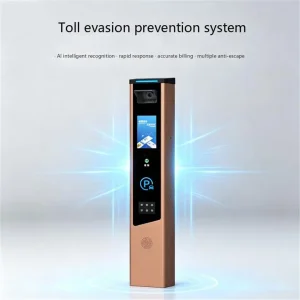
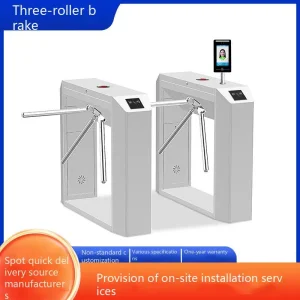
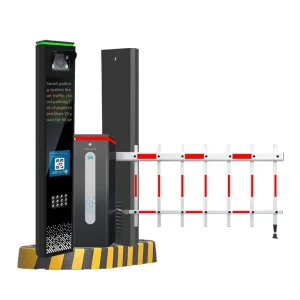
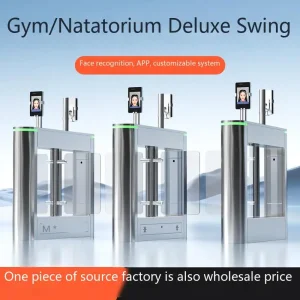
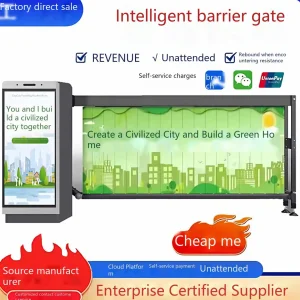
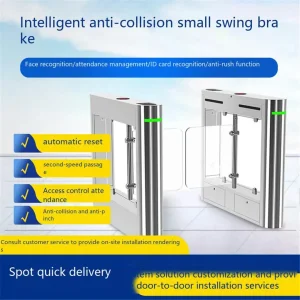
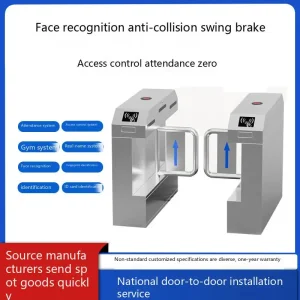
Comprehensive Entrance & Access Control Lineup
Explore our full array of integrated hardware designed for physical vehicle perimeter defense and pedestrian access control in Israel.
Ready to Upgrade Your Parking Projects in Israel?
Get a competitive, factory-direct budgetary quote and engineering datasheet packet within 24 hours. Our technical team supports OEM/ODM branding, local API integration, and project specification assistance.