
High-Duty ANPR Cameras & Primary Access Control Units
Pre-configured edge equipment engineered for low latency, FRSC alphanumeric plate recognition, and direct barrier triggering.
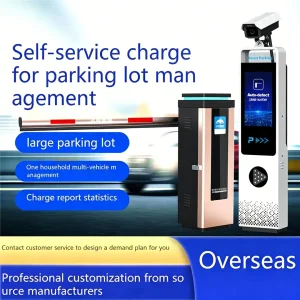
Nigeria Industrial Toll Edition: Durable High-def License Plate Recognition Machine Dolphin I Model Supplier, Exporters
View Specifications
Commercial Park Series: Durable High-def License Plate Recognition Machine Dolphin I Model Supplier, Exporters
View Specifications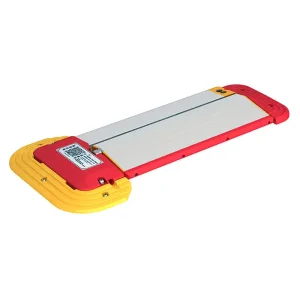
Abuja Commercial Bay Control: Advanced Scan to Pay Charging Pile & Community Parking Lock Automatic Sensing Space Supplier
View Specifications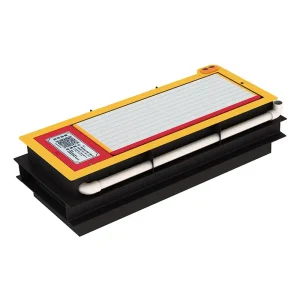
Nigeria Municipal Automated Terminal: China City Parking Product Manufacturer, Price
View SpecificationsNigeria Commercial & Industrial ANPR Market Dynamics
Why conventional off-the-shelf cameras fail in Sub-Saharan Africa, and how purpose-built industrial LPR systems are solving multi-million Naira traffic bottlenecks.
Across the urban centers of Nigeria—from the severe vehicular congestion along the Lekki-Epe Expressway and Apapa Port Corridor in Lagos to the secure institutional perimeters of the Federal Capital Territory (Abuja) and the oil and gas logistics facilities in Port Harcourt—the demand for reliable, uninterrupted vehicle recognition systems has transformed from a luxury convenience to a baseline security and revenue-collection necessity.
However, the Nigerian operating environment imposes harsh demands on electronic physical security infrastructure. Standard commercial-grade Automatic Number Plate Recognition (ANPR / LPR) systems imported from generic consumer channels frequently collapse within six to twelve months of deployment. The root causes are distinctively local:
Power Grid Volatility
Frequent transitions between the national grid, heavy diesel generators, and solar inverters introduce substantial voltage spikes and momentary dropouts that fry sensitive imaging chips lacking surge isolation.
Equatorial Sun & Harmattan
Harmattan dust storms create high-opacity particulate coatings on optical lenses, while intense overhead equatorial UV light combined with direct vehicle headlamp glare blinds standard CMOS exposure sensors.
FRSC Plate Heterogeneity
The Federal Road Safety Corps (FRSC) standard plate layout uses variable alphanumeric fonts, state slogans, embedded watermarks, and varying retro-reflective retro-plates that confuse foreign off-the-shelf OCR engines.
To operate profitably and reliably in Nigeria, an LPR system must combine edge-computing micro-kernels (running recognition on-device without internet latency), wide dynamic range (WDR > 120dB) optical assemblies, and IP67/IK10 environmental enclosures with advanced internal thermal mitigation.
LPR System Pricing Framework & Procurement TCO in Nigeria
Understanding factory-direct capital expenditure (CAPEX), customs clearing, and long-term operating costs (OPEX).
Corporate procurement directors, estate facility managers, and toll concessionaires frequently ask: "What is the actual landed cost of deploying industrial ANPR in Nigeria?" Pricing fluctuates based on system architecture, embedded AI capabilities, and mechanical integration tiers. Below is a structured price breakdown for Nigerian deployments.
| Tier & Application | Hardware Inclusions | Estimated Unit Price (FOB Shenzhen) | Landed Cost in Lagos (Incl. Freight/Duty) | Target Deployment Environment |
|---|---|---|---|---|
| Entry-Level Commercial Single-Lane Barrier Sync |
2MP Starlight Camera, Edge OCR (FRSC compliant), White Light Strobe, IP66 Housing | $380 - $550 | ₦680,000 - ₦990,000* | Private commercial car parks, boutique estates in Ikeja, Abuja residential quarters. |
| Industrial All-in-One Tier Integrated High-Speed Lane |
3MP/4MP Global Shutter Sensor, Deep Learning NPU, 4-line LED display, Intercom, 10kV Surge | $750 - $1,250 | ₦1,350,000 - ₦2,250,000* | Banana Island / Lekki Phase 1 access gates, corporate headquarters, dry ports. |
| High-Speed Multi-Lane & Tolling Highway / Heavy Traffic |
Dual-Sensor OCR + Overview, Motorized Varifocal, 99.5% plate capture at 80km/h, Server Cluster Sync | $1,400 - $2,800 | ₦2,520,000 - ₦5,040,000* | Lekki Toll Gate infrastructure, airport security corridors, Port Harcourt refinery gates. |
| Turnkey Dual-Lane Package Entry + Exit + Gate Barrier |
2x LPR Cameras, 2x High-Speed DC Brushless Barrier Gates, Loop Detectors, Management Terminal | $2,200 - $4,200 | ₦3,960,000 - ₦7,560,000* | Self-contained gated communities, industrial parks, university campuses. |
*Note: Landed cost estimations in Nigerian Naira (NGN) reflect indicative FX conversions and typical clearing costs at Tin Can / Apapa ports. Exact quotations depend on current FX rates and custom HS-code classifications.
Total Cost of Ownership (TCO) vs. Traditional Token/Guard Systems
A manual barrier gate or paper-ticket parking kiosk staffed by three shifts of private security personnel across a 2-lane entrance typically consumes between ₦4,800,000 and ₦7,200,000 annually in recurring OPEX in Lagos or Abuja, taking into account wages, supervision, ticket roll replacements, and inevitable cash leakage from unrecorded entries.
By comparison, an unattended Anrui LPR edge system achieves complete payback within 7 to 11 months. It prevents vehicle theft, ensures 100% vehicle audit trails, logs accurate timestamped imagery into local SQL databases, and functions without human delay.
Deep-Learning Optical Engine Tuned for Nigerian Road Conditions
How our Shenzhen R&D center solves edge recognition for degraded, non-standard, and shadowed license plates.
Neural Edge Processing vs. Cloud Latency
Many legacy systems rely on streaming RTSP video to offsite cloud servers for OCR processing. In Nigeria, where cellular backhauls (MTN, Airtel) can experience unexpected packet loss or latency spikes over 800ms, cloud-dependent ANPR causes massive tailback queues at estate entry points.
Our Dolphin and AnRuitong Series utilize embedded neural network processing units (NPUs) onboard the camera hardware. Optical recognition is executed in less than 60 milliseconds directly at the lane edge. Even during a complete loss of internet connectivity, the internal whitelist/blacklist triggers barrier opening instantaneously.
Multi-Spectral Illumination & Anti-Glare Hardware
Tropical sun creates high-contrast specular reflections on vehicle windscreens and front bumpers. Our optical hardware incorporates:
- Polarized Strobe Array: Eliminates direct sunlight bouncing off glossy plastic number plate covers.
- Intelligent Auto-Iris & True WDR (140dB): Adjusts exposure dynamically within one frame to capture clear registration text even when oncoming vehicles approach with high-beam LED headlamps.
- Harmattan Dust De-Hazing Algorithm: Edge-level image enhancement filters out airborne dust particles to restore character contrast before sending the frame to the OCR algorithm.
FRSC Standard & Commercial Fleet Compatibility
Specialized training weights support all 36 Nigerian States + FCT plates, including private (blue), commercial (red), government (green), diplomatic (purple), and temporary transit plates with mismatched fonts.
Seamless Solar & Microgrid Integration
Ultra-low 12W - 25W idle power profile designed specifically to pair with 24V DC battery banks, off-grid solar packages, or uninterruptible inverter supplies without draining secondary power backup.
Local Offline Fallback & Anti-Tailgating
Integrated dual-channel ground loop detector logic coordinates with overhead radar sensors, ensuring the barrier closes immediately after the recognized vehicle passes, stopping tailgaters in high-security zones.
High-Yield Solutions for Nigeria's Core Commercial Verticals
Engineered to resolve real operational risks in West Africa's most challenging access environments.
Gated Residential Communities
Designed for developments in Ikoyi, Victoria Island, Lekki, and Maitama. Whitelisted residents enjoy seamless, non-stop gate opening via plate verification. Visitors receive digital QR credentials synced with an estate management app, eliminating long security queues at perimeter gates.
Port Logistics & Inland Dry Depots
Purpose-built for container terminals along the Apapa, Tin Can Island, and Onne Port complexes. Features heavy-duty truck chassis cameras that read both tractor cab plates and container chassis registration numbers, streamlining terminal gate operating cycles and reducing dwell times.
Commercial Plazas & Airports
Engineered for high-traffic sites such as Murtala Muhammed International Airport (MMIA), Nnamdi Azikiwe Airport, and large retail centers. Incorporates automated tariff calculations, contactless QR payments, and digital receipts to reduce operating losses and prevent toll evasion.
Nigeria Compliance, Data Privacy (NDPR), and Field Reliability
Ensuring end-to-end alignment with local data protection regulations, currency realities, and warranty expectations.
NDPR (Nigeria Data Protection Regulation) Compliance
Under the guidelines of the Nigeria Data Protection Commission (NDPC), vehicle registration information, timestamped logs, and driver facial captures qualify as personal identifiable data. Deploying imported systems without proper cybersecurity governance risks severe regulatory penalties.
Our system architectures are engineered for end-to-end compliance:
- Local On-Premise Data Sovereignty: Databases can run on a secure local network without transmitting telemetry data to offshore cloud servers.
- AES-256 Encryption at Rest and in Transit: Protects vehicle event records and plate snapshots against unauthorized interception across the local area network.
- Role-Based Access Control (RBAC): Granular administrative privileges protect audit logs, preventing gate operators from editing or deleting historical vehicle transit records.
Supply Chain Agility & Spares Stocking in Nigeria
One of the most persistent complaints from Nigerian system integrators regarding European or American security brands is the 8 to 14-week lead time for replacement circuit boards, power supplies, or camera optical modules.
Shenzhen Anrui Intelligent maintains strategic OEM supply lines with direct air-cargo express routes to Murtala Muhammed Cargo Terminal (Lagos) within 5 to 7 business days. Furthermore, our systems use modular, field-swappable sub-assemblies—allowing local technicians in Lagos, Abuja, or Port Harcourt to replace an optical sensor or power conditioning board in under 15 minutes.
China Factory 4.0: Built-in Quality, Scalability, and Value
Eliminating middleman markups by purchasing directly from our 8,000 m² Shenzhen intelligent manufacturing facility.
Vertical Integration
From aluminum die-casting and precision surface powder-coating to high-speed surface-mount technology (SMT) for motherboards, every assembly stage is controlled in-house in Guangming District, Shenzhen.
Environmental Burn-in Testing
Every LPR camera and barrier controller undergoes 72 hours of continuous thermal stress testing at 60°C and 90% relative humidity, simulating the most punishing climate conditions in coastal West Africa.
OEM/ODM Firmware Customization
We provide full white-label capabilities for Nigerian security firms, including custom housing colors, local brand silkscreening, customized client software GUIs, and dedicated API/SDK webhooks for integration with enterprise ERP systems.
Engineering Procurement Checklist for Nigerian Tenders
A reference technical guide for estate associations, procurement engineers, and government contractors preparing an LPR bid.
| System Parameter | Recommended Minimum Specification | Technical Importance for Nigeria |
|---|---|---|
| Image Sensor Type | 1/1.8" or 1/2.8" Progressive Scan Starlight CMOS | Captures fast-moving vehicles at dusk without image blur or grain noise. |
| Optical Shutter | Global Shutter or High-Speed Electronic (1/100,000s) | Prevents rolling shutter distortion of plate characters under rapid acceleration. |
| Dynamic Range | True Hardware WDR ≥ 120 dB | Balances severe bright sunlight with dark shadows under gate canopy structures. |
| Operating Temperature | -30°C to +70°C, internal heatsink or active fan | Withstands extreme interior cabinet temperatures during hot dry-season peaks. |
| Ingress Protection | Certified IP66 or IP67 (dust tight + high-pressure water) | Protects against monsoon rain storms and persistent Harmattan sand ingress. |
| Surge Suppression | IEC 61000-4-5 Level 4 (Common Mode: 6kV, Diff: 4kV) | Shields equipment from power surges when utility power switches to standby generators. |
| Communication Protocols | TCP/IP, RS485, Wiegand 26/34, Relay Dry Contact, REST API | Enables flexible connection with access cards, UHF RFID tags, and third-party databases. |
Frequently Asked Questions on LPR Sales & Deployment in Nigeria
Direct technical answers to help property owners, security consultants, and contractors plan their installations.
Can the system accurately read old, faded, or customized Nigerian vehicle plates?
How does the LPR system interface with our existing automatic barrier gates?
What happens if the internet connection goes down at our estate or facility?
What payment methods and currencies do you accept for direct factory shipments?
How is technical support and warranty replacement handled for sites in Nigeria?
Deploy Proven, Weather-Toughened LPR Systems in Nigeria
Whether you need an integrated ANPR camera for a private residential estate, a high-speed toll gate system, or complete factory OEM collaboration, our Shenzhen engineering team delivers dependable equipment engineered for West Africa.
Send Inquiry Now / Get Complete Specification SheetsIntegrated Systems & Physical Access Control Equipment
Pair your license plate recognition cameras with industrial barriers, hydraulic bollards, and pedestrian speed gates to build a fully secure perimeter.
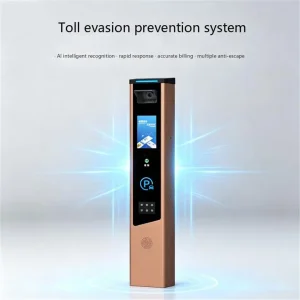
Nigeria Dual-Lane Terminal: Durable High Definition License Plate Recognition Integrated - AnRuitong II Exporters, In Sales
View Specifications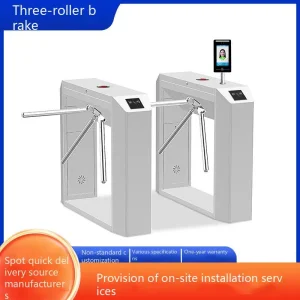
Commercial Lobby Speed Lane: Cheap Factory OEM/ODM Durable Smart Fast Speed Swing Automatic Industrial Gym Turnstile Gate
View Specifications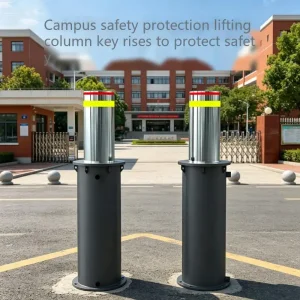
Perimeter Anti-Ram Defense: Discount Rising Bollard Instruction Manual Manufacturer, Quotation
View Specifications
High-Throughput Highway Lane: Durable Intelligent Barrier Gate Model D03 Manufacturer, Suppliers
View Specifications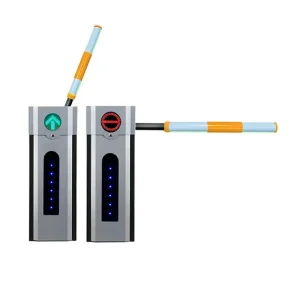
Rapid Brushless DC Lane: Newest Intelligent Barrier Gate Model D11S Factory, Factories
View Specifications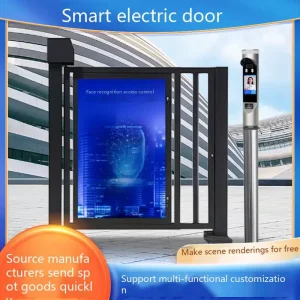
Retail Entrance Media Gateway: OEM Intelligent Pedestrian Advertising Gate Factories, Price
View Specifications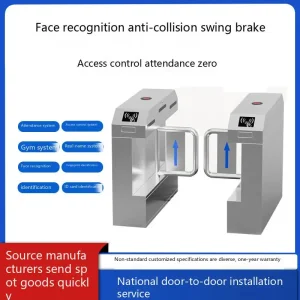
Architectural Entrance Control: OEM Bridge Type Sloped Swing Gate Manufacturer, Quotation
View Specifications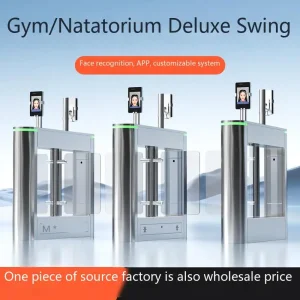
Corporate Headquarter Access: Durable Office Building Entrance Attendance Security Speed Gate Manufacturer
View SpecificationsStreamline Your Vehicle Access Operations Across Nigeria Today
From private residential security perimeters along Lekki Phase 1 to heavy freight checkpoints at Apapa Port and automated parking in Abuja, Shenzhen Anrui Intelligent provides robust, factory-direct access control solutions engineered for continuous duty. Contact our international engineering department today to discuss your project layout, obtain localized CAD integration drawings, or receive a formal CIF Lagos quotation tailored to your technical requirements.