
Primary Perimeter Control Deployments for Egypt Infrastructure
Engineered for direct application across governmental facilities, urban checkpoints, and heavy-duty traffic corridors throughout Cairo, Alexandria, and the New Administrative Capital.
-
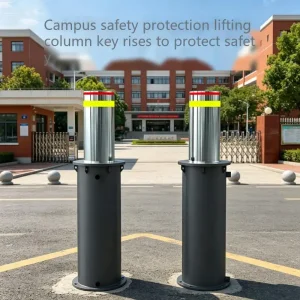
Egypt High-Security Hydraulic Rising Bollard System
Discount Rising Bollard Instruction Manual Manufacturer, Quotation -
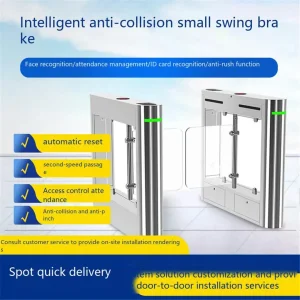
Egypt High-Throughput Commercial Access Swing Gate
China Swing Gate Supplier, Quotation -
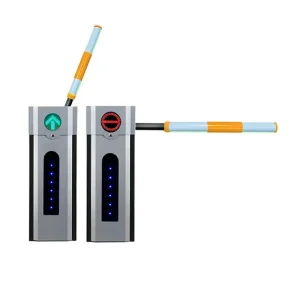
Tollway & Highway Intelligent Barrier Gate Model D11S
Newest Intelligent Barrier Gate Model D11S Factory, Factories -
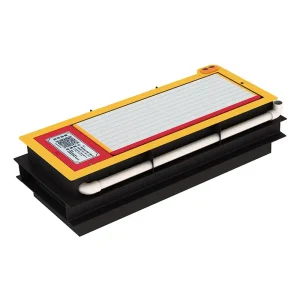
Metropolitan Smart City Automated Parking Access Unit
China City Parking Product Manufacturer, Price
The Egypt Security Landscape & The Global Surge for Crash-Rated Perimeter Control
Strategic transformation under Egypt Vision 2030 is dramatically elevating perimeter security requirements across governmental, industrial, and urban centers.
Egypt Megaprojects Demands
The acceleration of the New Administrative Capital (NAC), New Alamein, and the expansion of the Suez Canal Economic Zone (SCZone) has led to rigorous access parameters. Rising bollards have evolved from optional vehicle deterrents to mandatory architectural security assets capable of mitigating Hostile Vehicle Mitigation (HVM) vectors while preserving urban pedestrian permeability.
Economic Procurement & Tariffs
Navigating Egyptian import duties, foreign exchange stability, and customs clearance (ACID system) requires agile supply partnerships. Sourcing directly from high-tier export manufacturers cuts distributor markups by 30-45%, granting EPC contractors competitive margins on critical governmental security tenders.
Global Shift: Electromechanical vs Hydraulic
Worldwide, the rising bollard sector is witnessing a shift towards high-speed electro-hydraulic integrated units. Compact hydraulic power units (HPU) housed directly inside the cylinder eliminate long underground hydraulic hose runs, vastly lowering fluid degradation in high-temperature zones like Upper Egypt and desert sites.
Engineering for Harsh Climates: Sand, Heat, and Coastal Salinity
Standard industrial bollards frequently fail in North African topographies due to sand ingress, seal embrittlement, and marine corrosion. Our export configurations are fortified specifically for Egyptian operating conditions.
| Performance Dimension | Standard Commercial Rising Bollards | Anrui Egypt Heavy-Duty Export Configuration | Engineering Benefit |
|---|---|---|---|
| Operating Temperature | -10°C to +50°C (Thermal cutoff risk) | -25°C to +75°C with High-Viscosity ISO VG 32/46 Synthetic Hydraulic Fluid | Zero system stall during peak Cairo/Giza summers exceeding 45°C ambient road heat. |
| Cylinder Material & Finish | Q235 Carbon Steel or 201 Stainless Steel | AISI 304 / 316 Marine Grade Stainless Steel (6mm to 16mm wall thickness) | Resists atmospheric salinity in Alexandria, Port Said, and coastal industrial terminals. |
| Dust & Ingress Protection | IP65 Rating (Vulnerable to fine particulate) | IP68 Certified Sealed Submersible Drive Mechanism + Integrated Scraper Ring | Prevents micro-silica sand accumulation from causing seal abrasion and hydraulic pump seizure. |
| Crash Impact Absorption | Non-rated / 50kJ - 100kJ static resistance | K4 / K12 Equivalent (ASTM F2656 M30 to M50, 7.5T at 80 km/h) | Complete physical mitigation against hostile vehicular ramming incidents. |
| Emergency Operation | Manual valve release only | Emergency Fast Operation (EFO) < 1.2s deployment + Solenoid Valve UPS override | Immediate perimeter lockdown in tactical threat scenarios even during blackouts. |
Tailored Sector Implementations in the Egyptian Market
End-to-end integration combining rising bollards with automated ANPR cameras, access control turnstiles, and loop detectors across diverse commercial environments.
Ministries & Embassies (NAC District)
For embassy perimeters and sovereign government compounds, our ASTM F2656 crash-rated hydraulic bollards deploy in tandem with anti-terror shallow-mount road blockers. Managed via encrypted PLC controllers, offering instant lockdown integration with regional security grids.
Suez Canal Logistics & Petrochemical Ports
Logistics depots require ultra-high duty cycles (100% duty, >3,000 cycles/day). Integrated scraper rings, oil heating/cooling loops, and 316-stainless structural enclosures guarantee uninterrupted operations amid saline coastal winds and intensive logistics traffic.
Luxury Hospitality & Retail Corridors
In high-profile tourist destinations across Sharm El Sheikh, Hurghada, and Downtown Cairo, aesthetic integration is paramount. Architectural brushed-finish bollards featuring RGB LED warning rings blend seamlessly into modern paving while maintaining rigorous physical security.
Integrated Vehicle & Pedestrian Security Infrastructure
Comprehensive access control ecosystems supplied directly to Egyptian contractors, facility operators, and international project developers.
-
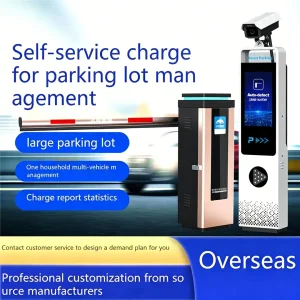
High-Definition License Plate Recognition Machine Dolphin I
Durable High-def license plate recognition machine Dolphin I model Supplier, Exporters -
Heavy-Duty Retractable Security Bollard System Manual
Discount Rising Bollard Instruction Manual Manufacturer, Quotation -
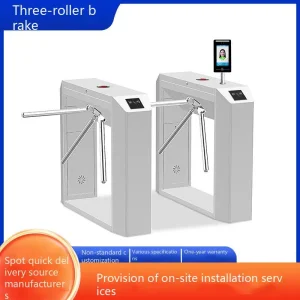
Smart High-Speed Industrial Speed Gate Swing Turnstile
Cheap Factoryoem/ODM Durable Smart Fast Speed Swing Automatic Used Industrial Gym Turnstile Gate Manufacturer, Factory -
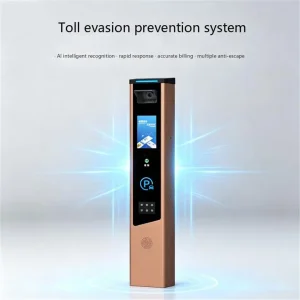
Integrated ANPR Plate Recognition Unit - AnRuitong II
Durable High definition license plate recognition integrated - AnRuitong II Exporters, In Sales -

Heavy-Traffic Intelligent Barrier Gate Model D03
Durable Intelligent Barrier Gate Model D03 Manufacturer, Suppliers -
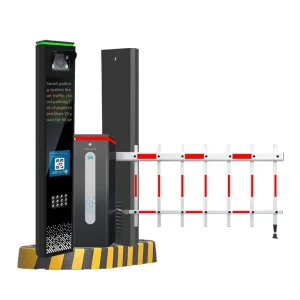
Articulated DC Commercial Boom Barrier With Long-Range RFID
Buy Discount Car Parking And Toll Access Control Automatic Articulated DC Parking Boom Barrier Gate With Long Range Rfid Reader Manufacturer, Price -

Commercial Pedestrian Perimeter Advertising Access Gate
OEM Intelligent pedestrian advertising gate Factories, Price -
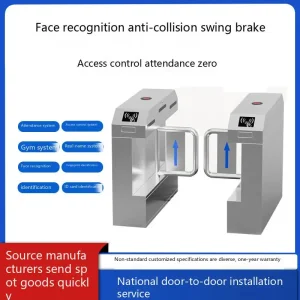
Architectural Bridge Type Sloped Turnstile Swing Barrier
OEM Bridge Type Sloped Swing Gate Manufacturer, Quotation
Frequently Asked Questions for Egyptian Procurement Teams
In-depth insights into import logistics, drainage compliance, installation best practices, and crash-rating verification.