
7 Best Smart Parking Solutions for Businesses in 2026

Time:2026-11-04 Author:Amelia
0%

Parking can shape a visitor’s first impression before they reach the front desk. A crowded entrance, unclear space availability, or slow payment can waste time and frustrate customers. Smart parking systems use sensors, cameras, mobile apps, and occupancy data to help businesses manage these everyday challenges. The right setup depends on a site’s size, traffic patterns, staffing, and existing equipment. There is no universal fit.

This guide examines seven smart parking options for businesses in 2026. It considers practical factors such as space detection, installation requirements, software integrations, reporting, payment features, customer support, and scalability. A small retail lot may need a straightforward way to show available spaces. A multi-site operator may value centralized reporting and consistent controls. Details matter. Sensors and cameras can perform differently in rain, glare, or unusual layouts, so businesses should ask vendors how systems are tested and where limitations apply.

A Smart Parking Solution should do more than display a dashboard. It should help staff make informed decisions, give drivers clear information, and fit the way a property actually operates. Before choosing, compare ongoing costs, data-handling practices, maintenance needs, and compatibility with current systems. A polished demonstration is useful, but it cannot replace a real-world pilot. That takes planning. Track occupancy, entry delays, and user feedback before and after deployment, while remembering that results can vary by location and season. A careful comparison can reveal which solution is genuinely practical—and which features may look better in a sales presentation than in a busy parking lot.
7 Best Smart Parking Solutions for Businesses in 2026

What Smart Parking Solutions Are and How They Work

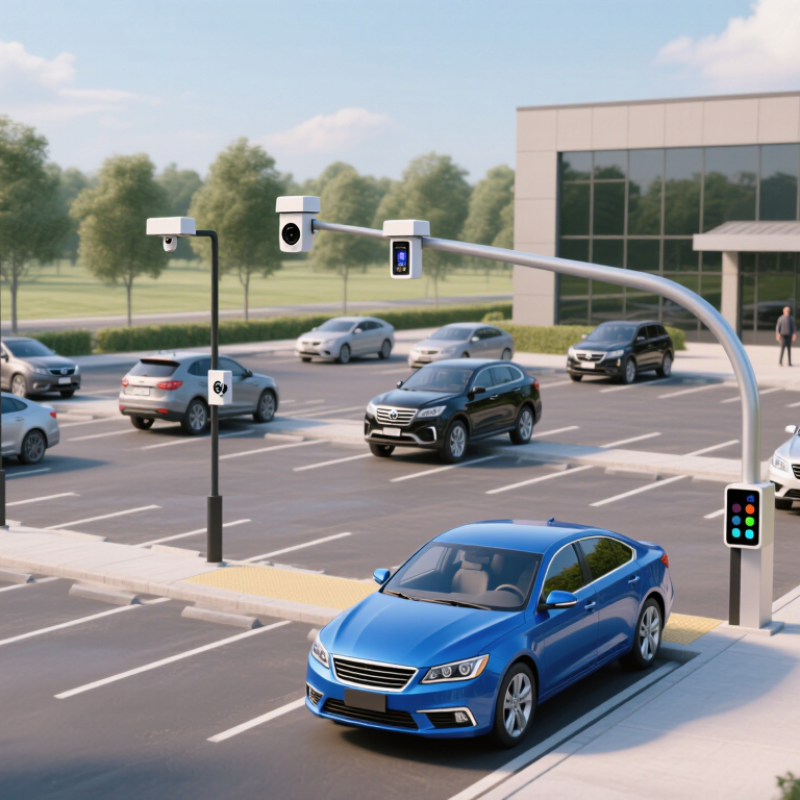
Smart parking solutions combine sensors, cameras, software, and digital signs to help businesses manage parking spaces. They show drivers where spaces may be available and give operators a clearer view of lot activity. A ground sensor can detect whether a vehicle occupies a space. Camera-based systems may monitor several spaces at once, though lighting, weather, and blocked views can affect readings.

When a vehicle enters, sensors or cameras send occupancy data to a central platform. The platform updates a live map, signs, or a mobile interface. Some systems also support reservations, access control, and payment processing. Managers can review usage patterns, such as busy hours or underused sections, then adjust staffing or space allocation. Data is not perfect. A delayed update can send a driver toward a space that has just filled, so clear signage and routine checks still matter.

Tips: Start with a small area and compare system readings with manual counts. Check how devices handle rain, glare, and network interruptions. Explain what information is collected, limit access to it, and set a practical retention period. Test the driver experience on a busy day, not only during a quiet demonstration. A simple setup may work better. And leave room to revise it.

Key Criteria for Evaluating Business Parking Systems in 2026

A business parking system should solve a measured problem, not just display a polished dashboard. Start with sensor accuracy: compare live space counts against manual checks during busy periods, rain, and shift changes. Test it live. The 2017 INRIX Parking Pain study estimated that U.S. drivers spent 17 hours a year searching for parking, costing an average of $345 per driver. The study is not a current business-site benchmark, but it shows why reliable availability data matters. Track entry-to-space time, occupancy by hour, and false “available” readings before selecting a system.

Then assess how the system fits daily operations. Can it connect with access controls, payment processes, and existing security tools? Check uptime, support response times, installation disruption, and the full cost of sensors, connectivity, maintenance, and staff training. Small details count: a sensor blocked by a delivery van can mislead drivers, while a clear sign at the entrance can prevent a queue. Protect vehicle and user data, and confirm retention and access settings with your privacy team. Keep accessible spaces and pedestrian routes visible in the interface. A pilot can reveal weaknesses, though one quiet week proves little; test across different demand levels and weather conditions.

Key Criteria for Evaluating Business Parking Systems in 2026

Suggested evaluation weights for comparing smart parking systems. These weights are a planning framework, not results from a specific industry survey.

Prioritize reliable occupancy data and smooth integration, then assess payment options, security, scalability, accessibility, and reporting against your organization’s needs.

Seven Leading Smart Parking Solutions for Businesses in 2026

Seven leading smart parking solutions for businesses in 2026 include space-occupancy sensors, camera-based monitoring, indoor guidance signs, digital reservations, automated entry and payment, EV charging coordination, and occupancy analytics. Each addresses a different pressure point. Sensors can show whether a bay is occupied, while cameras may cover larger areas with fewer devices. Guidance signs help drivers find open spaces without circling. Results depend on layout, lighting, network coverage, and maintenance.

Reservation tools suit offices with predictable schedules, while automated access can reduce queues at busy entrances. EV charging coordination helps staff manage bays that serve both parking and charging needs. Analytics can reveal peak hours and underused areas, but poor data can lead to poor decisions. No system is perfect. A sensor may misread a vehicle, and drivers may ignore signs when they are in a hurry.

Tips: Walk the site during a busy period before choosing equipment. Check how systems handle outages, privacy, and accessibility, and ask for clear service terms. Pilot one section first. Compare reported occupancy with a manual count; the mismatch may expose a weak spot before a full rollout.

How the Seven Solutions Compare in Features, Scale, and Cost

The seven options differ less by their “smart” label than by what they measure and how much infrastructure they need. Camera-based systems read plates and monitor occupancy across broad areas, but require careful camera placement. In-ground sensors give precise bay-level data; installation and battery replacement can raise costs. Overhead sensors cover several spaces from above, though complex structures may create blind spots. Guidance signs then turn live availability into visible directions.

Mobile reservation and payment tools suit visitor-heavy sites, while permit systems help campuses and offices manage staff access. Integrated platforms combine these functions, but can be costly to connect with older gates or payment systems. Grand View Research valued the global smart-parking market at $6.8 billion in 2023 and projected 12.4% annual growth through 2030. That points to investment, not guaranteed savings. Scale matters.

For a small lot, signs and simple occupancy monitoring may be enough. Large hospitals or mixed-use sites often need sensors, access control, and a shared dashboard. INRIX’s 2017 Parking Pain study estimated that U.S. drivers spent 17 hours yearly searching for parking; it is a dated baseline, not a current universal figure. Still, it shows why accurate availability matters. One practical caution: even a polished dashboard can report stale data when sensors fail or staff change spaces manually. Costs vary by site, installation, maintenance, and software fees, so compare total operating costs—not just the first quote.

7 Best Smart Parking Solutions for Businesses in 2026 - How the Seven Solutions Compare in Features, Scale, and Cost

Comparison of solution types rather than individual vendors. Cost levels are relative planning estimates based on typical infrastructure and deployment needs; actual costs vary with site size, existing equipment, installation, integrations, and ongoing service fees.

Solution Type How It Works Typical Features Best Fit and Scale Relative Cost Profile Key Considerations
Camera-Based Occupancy Detection Fixed cameras and image-processing software identify occupied and available spaces or zones. Live occupancy counts, space or zone monitoring, dashboard reporting, and feeds for signs or apps. Suitable for outdoor lots and garages, especially sites where cameras can cover multiple spaces. Scales from a small facility to a multi-site portfolio. Medium to high upfront; ongoing software and connectivity costs may apply. Camera placement, lighting, weather, and occlusion affect performance. Review privacy requirements and set appropriate retention and access policies.
In-Ground Space Sensors Individual sensors embedded in or mounted on the pavement detect vehicle presence, commonly using magnetic or other sensing methods. Space-level availability data, occupancy alerts, and integration with guidance signs or parking software. Useful when businesses need information for individual spaces, including designated, premium, or accessible parking. Can be deployed in lots and garages. High for large deployments because each monitored space needs a sensor; installation and future maintenance add to cost. Installation may require pavement work. Battery life, sensor replacement, site conditions, and communication coverage should be included in lifecycle planning.
Overhead Ultrasonic or Infrared Sensors Ceiling-mounted sensors detect vehicles in individual garage spaces and send occupancy data to a central system. Space-level status, floor or zone counts, indicator lights, and connections to wayfinding displays. Best suited to enclosed garages with suitable ceilings and power or communications infrastructure. Works well in facilities with many spaces across several levels. Medium to high upfront, depending on sensor density, cabling, and the condition of existing infrastructure. Requires suitable mounting locations and installation access. Performance depends on sensor placement and correct commissioning.
License-Plate Recognition (LPR) and Access Management Cameras read vehicle plates at entrances or exits to support access control, session tracking, and payment workflows. Automated entry records, permit validation, visit tracking, and links to payment or parking-management systems. Well suited to controlled-access garages, employee parking, campuses, and sites that manage frequent visitors or permits. Medium to high; costs are concentrated in cameras, lane equipment, integration, and recurring software or support. Plate readability varies with camera setup, vehicle speed, weather, and plate condition. Confirm local privacy rules and provide an alternative process for unreadable plates.
Mobile Reservations, Permits, and Payments Drivers use a web or mobile interface to reserve spaces, manage permits, or pay for parking; availability may be supplied by staff or connected systems. Reservations, digital permits, payment processing, visitor management, notifications, and basic utilization reports. Fits offices, hotels, venues, and shared workplace parking. Can support one site or multiple locations without installing a sensor in every space. Low to medium upfront; recurring software, payment-processing, or transaction fees are common. Accurate availability depends on operational processes or integration with occupancy technology. Consider user access, payment options, and service fees.
Digital Wayfinding and Space Guidance Displays and indicator lights direct drivers to available spaces using occupancy data from sensors, cameras, or parking systems. Entrance availability signs, floor and zone counts, directional displays, and space-level indicators. Most valuable in large garages, busy campuses, and multi-level facilities where drivers spend time searching for spaces. Medium to high; costs depend on the number of displays, indicators, data sources, and installation work. Guidance is only as reliable as the occupancy feed. Sign placement, visibility, and integration with existing systems matter.
Cloud Parking Management Platform Software brings together parking inventory, occupancy data, permits, payments, access events, and reporting from connected systems. Centralized dashboards, user and permit administration, utilization reports, integrations, and multi-site management. Useful for businesses managing several facilities or combining parking data from different equipment and service providers. Low to medium initial cost when compatible systems already exist; recurring subscription and integration costs may apply. A platform does not detect vehicles on its own. Check integration compatibility, data ownership, security, support, and the cost of connecting existing equipment.

Steps for Choosing and Implementing a Smart Parking System

Begin with a clear picture of how the lot is used. For two weeks, record entry times, average parking duration, full-lot periods, and spaces reserved for visitors or deliveries. A simple count at 8 a.m. and noon can expose patterns that monthly totals hide. Ask staff where queues form and which signs confuse drivers. Small details matter.

Choose a system that fits those patterns, not one with the longest feature list. Compare space sensors, camera-based counting, and entry-gate data against your site layout, lighting, and maintenance capacity. Check how quickly occupancy updates appear and whether managers can export reports. Confirm that the system can connect with existing access controls and payment processes. A polished dashboard is not enough.

Pilot the equipment in one busy section before covering the entire property. Test it during rain, evening shifts, and a real event day. Track detection errors, time spent resolving alerts, and driver complaints. Train staff with short, practical instructions near their workstations. Some assumptions will be wrong; that is useful to learn early. Review results after several weeks, adjust signs and settings, then expand in stages. Keep a manual count available during rollout, because sensors can miss a vehicle or two.

FAQS

What does a smart parking system do?

Sensors or cameras detect occupied spaces and send updates to a central platform. Drivers may see availability on signs or a digital map.

How can a system detect whether a space is occupied?

Ground sensors check individual spaces. Cameras can monitor several spaces, but glare, weather, or blocked views may affect readings.

How can a business check whether the system is accurate?

Compare live readings with manual counts during busy periods, rain, and shift changes. Test it live.

What should a business measure before choosing a system?

Record entry times, parking duration, busy hours, and full-lot periods. Track false availability readings and time from entry to parking.

Why run a pilot before installing equipment across the whole property?

A pilot in one busy section can reveal detection errors and confusing signs. Test during evening shifts or an event, not only quiet hours.

What details can affect a driver’s parking experience?

A sensor blocked by a delivery van may show a false vacancy. A clear entrance sign can help prevent queues.

Can parking systems connect with existing operations?

Some systems support access control and payment processes. Confirm compatibility, update speed, support, installation needs, and ongoing costs.

How should a business handle parking data?

Explain what information is collected, limit access, and set a practical retention period. Review settings with the privacy team.

Do live parking updates always show the current situation?

No. A delayed update may direct a driver to a space that just filled. Keep signage clear and manual counts available.

Conclusion

This article explains what a Smart Parking Solution is and how connected sensors, cameras, mobile tools, and management software can help businesses monitor parking availability, guide drivers, and simplify daily operations. It outlines the key criteria for evaluating systems in 2026, including accuracy, ease of use, integration with existing infrastructure, scalability, data security, and total cost of ownership.

The article then introduces seven types of leading solutions, from sensor-based space monitoring and camera-assisted systems to reservation, access, and analytics platforms. It compares their features, suitability for different site sizes, and potential costs, helping businesses understand which options best match their needs. Finally, it provides practical steps for selecting and implementing a system, from assessing current parking challenges and setting goals to planning installation, preparing users, and reviewing performance after launch.

Amelia

Amelia

Amelia is a seasoned marketing professional with a wealth of expertise in our company’s core offerings. With an unwavering passion for driving growth and innovation, she plays a pivotal role in shaping our marketing strategies and enhancing brand visibility. A key aspect of her responsibilities......